Dangote Peugeot Nigeria: How Aliko Dangote Is Reviving Local Car Manufacturing
From PAN's collapse and AMCON takeover to a modern Kaduna assembly plant, Dangote's Peugeot venture is emerging as one of Nigeria's biggest industrial revival stories.

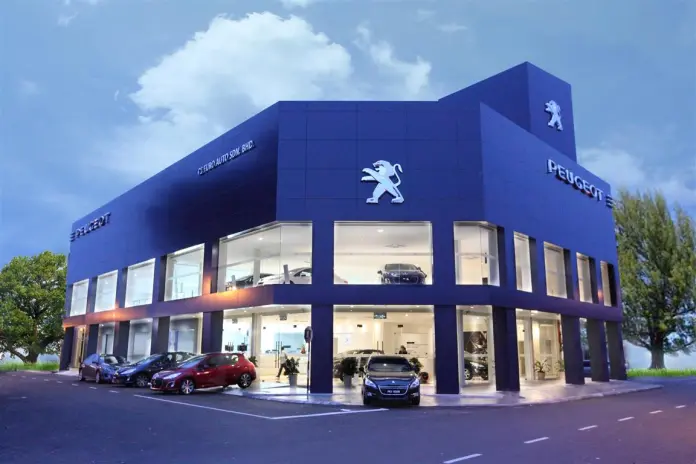
Peugeot Once Ruled Nigerian Roads
For many years, Peugeot was one of the most popular car brands in Nigeria. Models such as the Peugeot 504 and Peugeot 505 became household names. They served families, businesses, government agencies and taxi operators across the country.
At its peak, Peugeot Automobile Nigeria (PAN) was one of the nation’s biggest industrial success stories. The Kaduna-based company assembled thousands of vehicles every year and provided jobs for many Nigerians.
However, that success did not last forever.
Why PAN Nigeria Ran Into Trouble
The company began to struggle as economic conditions changed. Sales dropped sharply. At the same time, operating costs increased. Imported used vehicles also became more popular among Nigerian buyers.
As a result, PAN accumulated significant debts. Production levels fell, and the company found it difficult to compete in the market.
Eventually, the situation became so serious that the Asset Management Corporation of Nigeria (AMCON) stepped in to take control of the struggling automaker.
AMCON Takes Over
AMCON acquired a controlling interest in PAN after the company became overwhelmed by debt obligations.
The intervention was designed to stabilise the business and attract investors who could restore production and protect jobs.
For several years, AMCON searched for buyers capable of reviving the company.
Dangote Enters the Automobile Industry
In 2016, billionaire businessman Aliko Dangote joined a consortium that moved to acquire a controlling stake in PAN.
The investment marked Dangote’s entry into Nigeria’s automobile manufacturing sector. It also formed part of a wider effort to diversify Nigeria’s industrial base.
At the time, many industry observers viewed the move as an attempt to revive one of the country’s most recognisable automotive brands.
How Dangote Peugeot Nigeria Was Created
The revival effort eventually led to the establishment of Dangote Peugeot Automobiles Nigeria Limited (DPAN).
The company was created through a partnership involving Dangote Industries and Peugeot’s parent company, now part of Stellantis.
Rather than relying solely on the old PAN structure, the new investors secured a fresh Peugeot assembly arrangement and developed a modern manufacturing strategy for Nigeria.
This marked the beginning of a new chapter for the Peugeot brand in the country.
The New Kaduna Assembly Plant
One of the biggest milestones for Dangote Peugeot Nigeria was the construction of a modern assembly facility in Kaduna.
The Greenfield Ultima Assembly Plant was built along the Kaduna-Abuja Expressway. The facility was designed to support higher production levels and modern assembly processes.
Production officially began in January 2022.
The plant has the capacity to assemble up to 120 vehicles per day across two shifts. This enables the company to increase output as demand grows.
Peugeot Models Currently Assembled in Nigeria
Dangote Peugeot Nigeria has expanded its vehicle lineup since production started.
The models currently assembled in Kaduna include:
- Peugeot 301
- Peugeot 3008
- Peugeot 3008 GT
- Peugeot 5008
- Peugeot 508
- Peugeot Landtrek Pickup
These vehicles are targeted at both private buyers and commercial customers.
In addition, the company says the vehicles are designed to meet the needs of Nigerian motorists while supporting local manufacturing.
Major Update in 2026
The biggest development for Dangote Peugeot Nigeria this year came with the local assembly of the latest Peugeot 3008 and Peugeot 5008 models.
The vehicles are being produced at the Kaduna plant and represent an important expansion of the company’s operations.
Industry stakeholders believe the move demonstrates growing confidence in local vehicle assembly.
Furthermore, the expansion strengthens Peugeot’s position in Nigeria’s competitive automotive market.
Why Dangote Peugeot Nigeria Matters
Nigeria remains heavily dependent on imported vehicles. Every year, billions of naira leave the country through vehicle imports.
Supporters of local manufacturing argue that Dangote Peugeot Nigeria could help change that trend.
A stronger local automotive industry could:
- Create jobs
- Encourage technology transfer
- Support local suppliers
- Reduce import dependence
- Strengthen industrial growth
- Improve manufacturing capacity
As a result, many analysts see the project as an important test of Nigeria’s industrial future.
Challenges Still Remain
Despite recent progress, significant challenges remain.
Local manufacturers continue to face foreign exchange pressures, high production costs and infrastructure limitations.
In addition, imported used vehicles remain cheaper than many locally assembled alternatives.
These factors could affect the speed at which the company expands production.
What Happens Next?
As of June 2026, Dangote Peugeot Nigeria is producing multiple Peugeot models and expanding its operations.
The company is positioning itself as a major player in Nigeria’s automotive industry. Recent investments also show a commitment to long-term growth.
Although challenges remain, the revival effort has moved beyond promises. Vehicles are already rolling off production lines in Kaduna.
For now, Dangote Peugeot Nigeria stands as one of the country’s most ambitious manufacturing projects. Its success or failure could help shape the future of local vehicle production in Nigeria for years to come.