
Fuel Shock in America: Gas Prices Hit $4 Per Gallon as Middle East War Sends Oil Markets Into Chaos.

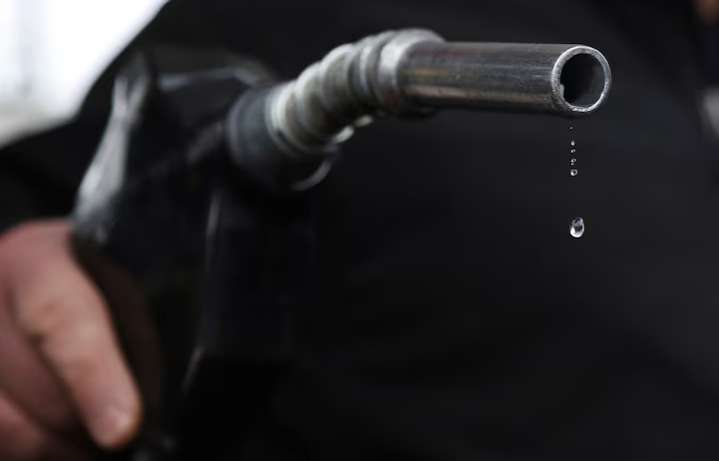
Americans are feeling the sting at the pump again as the average price of gasoline across the United States has surged past $4 per gallon for the first time in more than three years.
New figures from fuel price tracker GasBuddy show the milestone was reached on Monday, as the escalating conflict involving the United States, Israel and Iran continues to disrupt global energy markets.
The last time fuel prices crossed the $4 mark nationwide was in August 2022 after Russia invaded Ukraine. Analysts often describe the $4 threshold as a psychological tipping point for consumers, as it tends to trigger widespread concern about the cost of living.
The latest surge has been driven largely by rising oil prices following Iran’s effective shutdown of the Strait of Hormuz – a critical shipping route for global oil supplies. With the passage disrupted, energy markets have reacted sharply, pushing fuel costs higher.
The spike in gasoline prices is putting additional strain on American households already struggling with rising expenses. It has also become a political challenge for Donald Trump and the Republican Party as they head into the November midterm elections while trying to maintain slim majorities in the U.S. Congress.
During his campaign, Trump promised to bring down energy costs and expand oil and gas production in the U.S. However, his second term has so far been shaped by volatile markets, geopolitical tensions and shifting policy decisions, including debates over tariffs.
Since the U.S. and Israel launched attacks on Iran at the end of February, gasoline prices nationwide have jumped by about $1.06 per gallon – an increase of roughly 36 percent.
Energy analyst, Pavel Molchanov of Raymond James, noted that wars often cause sudden spikes in fuel prices.
He pointed out that a similar situation unfolded in 2022 during the Russia-Ukraine conflict, when gasoline remained above $4 for nearly 23 weeks. However, analysts believe the current crisis could be shorter-lived, with prices possibly easing in the coming weeks.
Still, there are fears that costs could climb even higher if crude oil continues its upward trend. U.S. oil futures surged again on Monday, closing at $102.88 per barrel – up $3.24 for the day. Prices also jumped during Asian trading after Kuwait reported that an oil tanker had been attacked at a port in Dubai.
In response to the rising energy costs, the Trump administration has introduced temporary measures, including a waiver of the Jones Act. The move allows foreign-flagged ships to transport fuel, fertilizer and other goods between U.S. ports in an effort to ease supply pressure. Industry experts, however, say the impact on prices may be limited.
Meanwhile, the financial pressure on American households is becoming more visible. A recent poll found that 55 percent of respondents said rising fuel prices had already affected their household finances to some degree, while 21 percent reported a significant impact.
Economist Jeremy Siegel of WisdomTree explained that gasoline prices carry enormous psychological weight for consumers.
According to him, while crude oil prices influence many sectors of the economy, gasoline is the price people see most often – and when it jumps suddenly, it immediately shapes public perception about the state of the economy.