
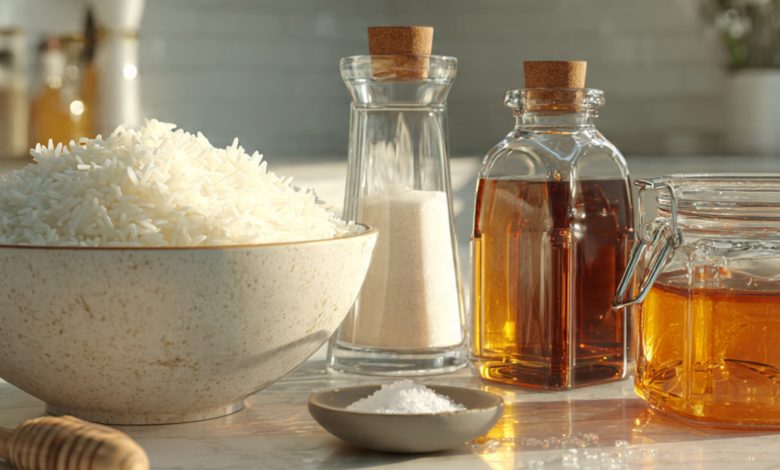
It’s easy for stuff to get lost in the back of a dark pantry. That’s why “best by” dates feel helpful, but they’re not always accurate.
Food dating is mostly voluntary for manufacturers. Often, it just shows when a product is at peak quality, not when it becomes unsafe.
Luckily, some pantry staples basically last forever. Here are six foods you can keep long after the date on the label.
Vinegar
Vinegar always smells sharp, so the sniff test won’t tell you much. Good news: you don’t need it. Vinegar doesn’t expire.
It’s made through fermentation. Yeast turns sugars into alcohol, and then Acetobacter bacteria convert that alcohol into acid. That high acidity makes vinegar self-preserving, so it rarely needs the fridge.
Over time, it may look cloudy or form a jelly-like blob called the “mother.” That’s not spoilage. It’s a colony of healthy bacteria — and you can even use it to start a new batch.
White Rice
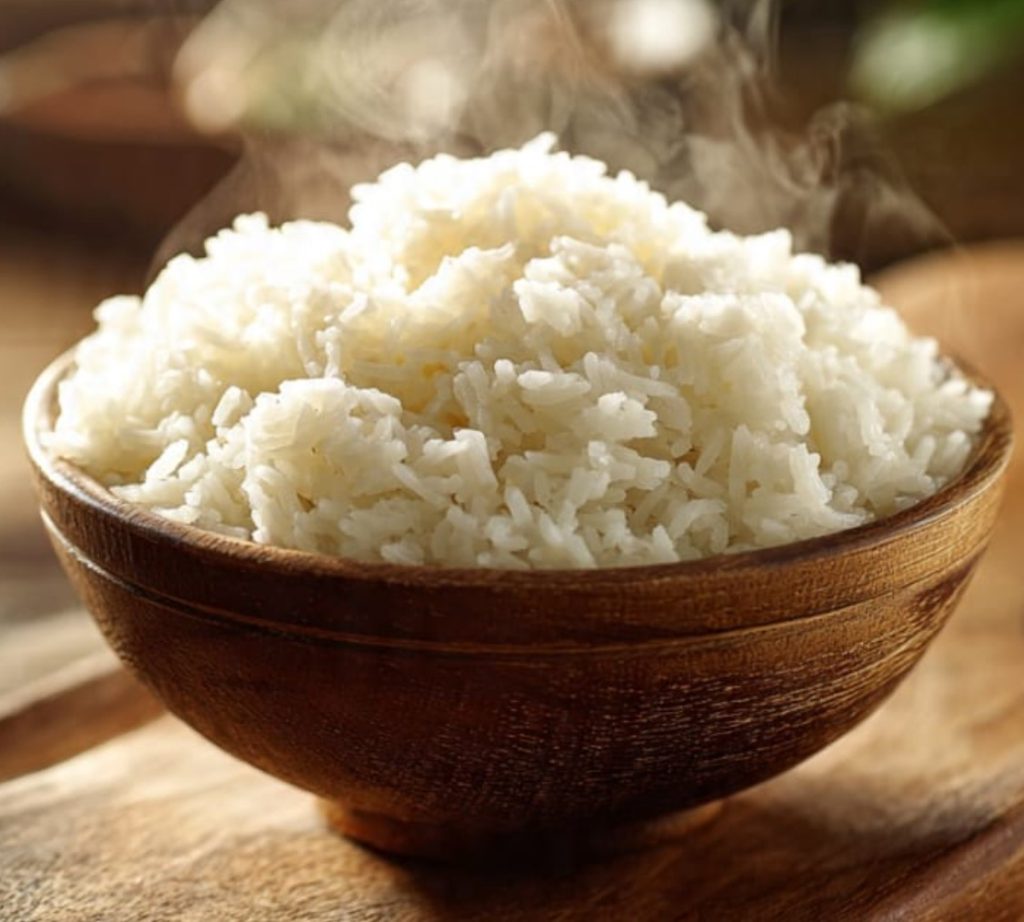
Mitch Hedberg joked that rice is great “if you’re really hungry and want to eat 2,000 of something.” It’s also great for long-term storage.
White rice lasts longest. It’s milled to remove the husk, bran, and germ, which keeps it stable. Store it dry and pest-free, and it can last 25–30 years below 40°F. Even at room temp with oxygen absorbers, it goes 10+ years.
Opened bags should be used within 2 years. Brown rice is different — its natural oils can turn rancid, so it only lasts about 6 months at room temp.
Sugar
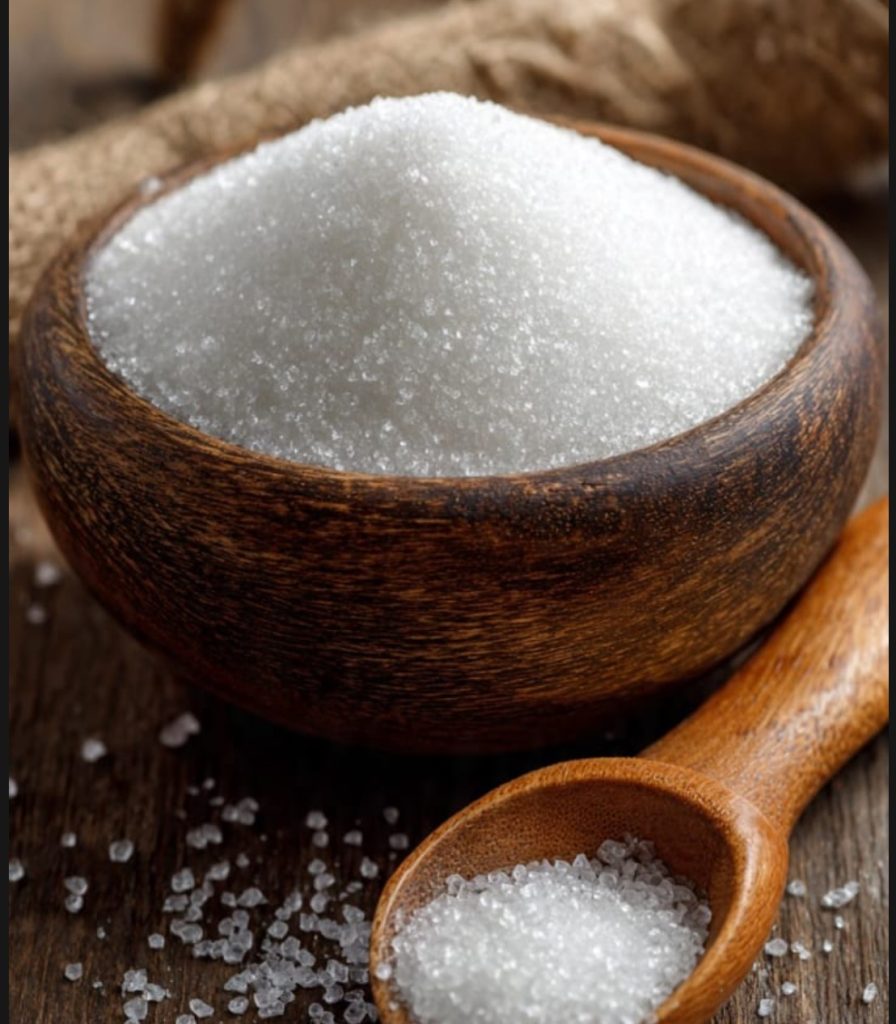
Sugar doesn’t really go bad. Bacteria hate it. That’s why it’s used to preserve jams, jellies, and canned fruit.
The key is moisture. Sugar soaks up condensation fast and can turn into a rock-hard brick. Keep it sealed and dry, and it lasts indefinitely.
For the best quality, food storage pros say use it within 2 years of opening. Perfect excuse to bake cookies.
Salt
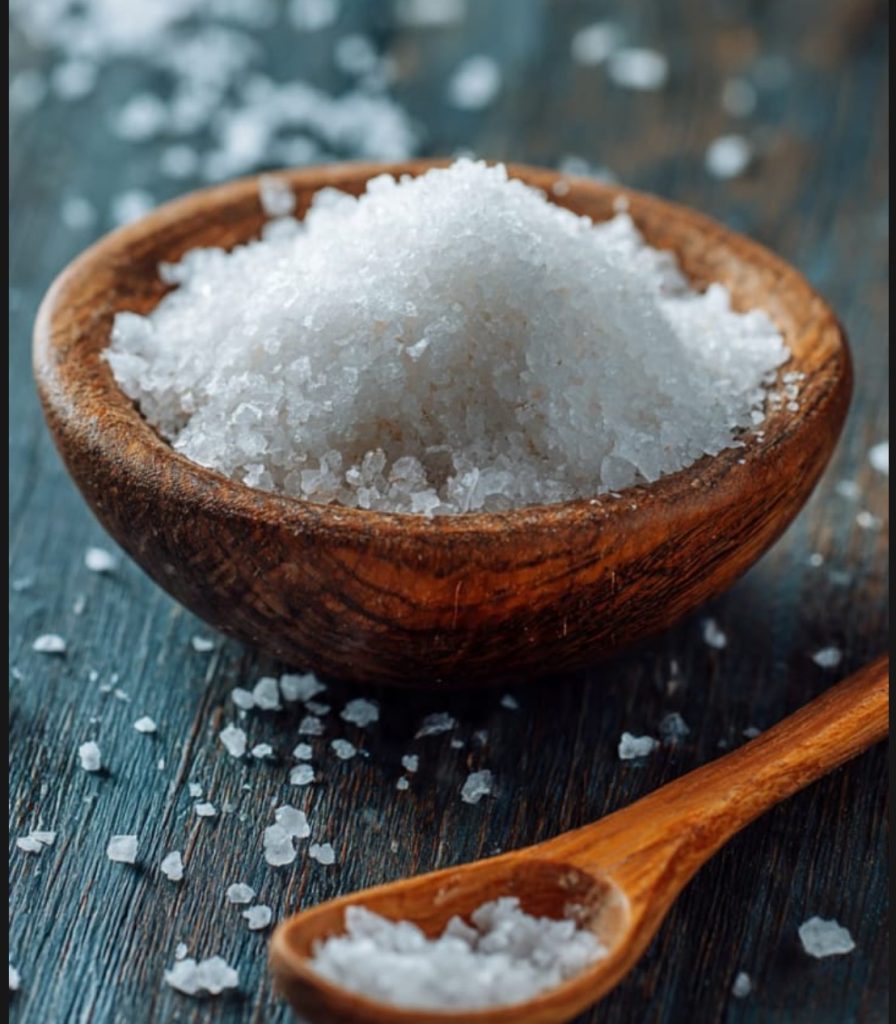
Salt is a mineral, not a plant or animal product. That’s why it never spoils.
For centuries, people used salt to preserve meat. It breaks down the enzymes bacteria need and pulls water out of food, stopping germs from growing.
Plain salt lasts forever if kept cool and dry. Processed salts with iodine or anti-caking agents can lose quality after about 5 years, but they’re still safe. Pure salt? Unlimited shelf life.
Vanilla Extract
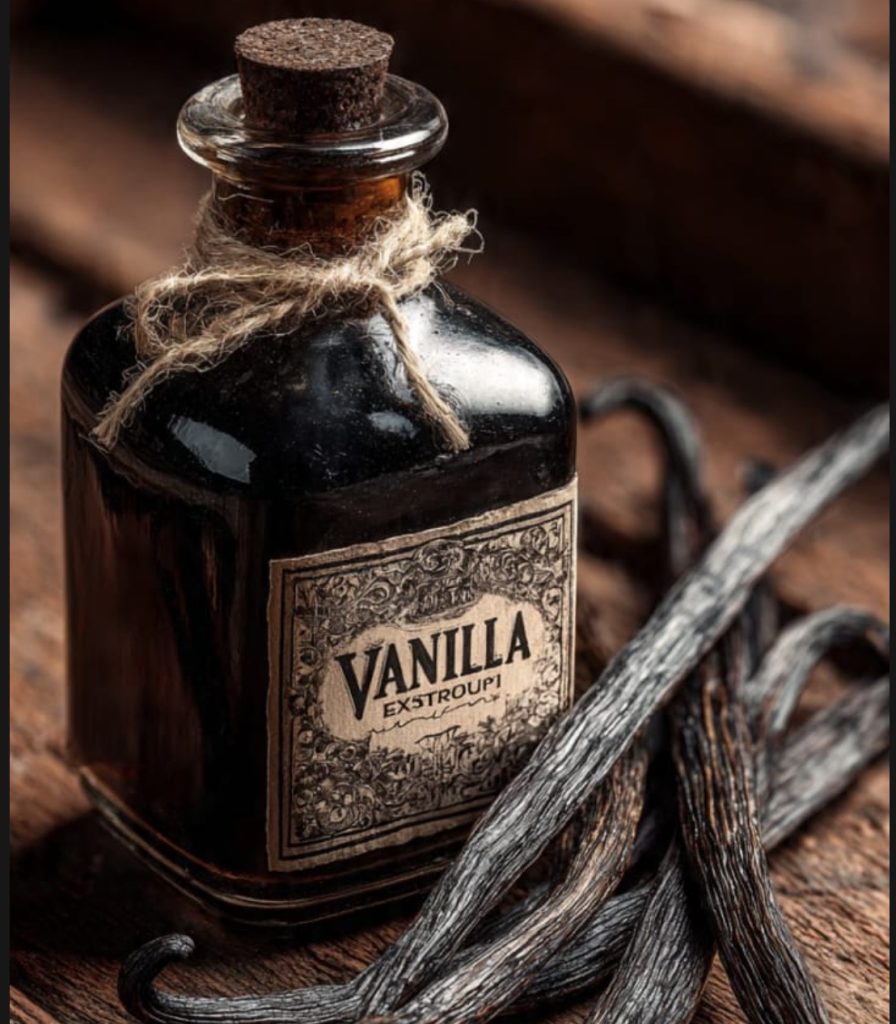
Real vanilla extract is pricey, but worth it if you bake in bursts. Thanks to its high alcohol content, pure vanilla doesn’t spoil. It actually gets deeper and richer with age.
Imitation vanilla is different. It’s made from synthetic vanillin, not vanilla beans soaked in alcohol. It starts losing flavour after just 6–12 months.
So, if your bottle says “pure,” don’t toss it. You’re ageing it like fine wine.
Honey
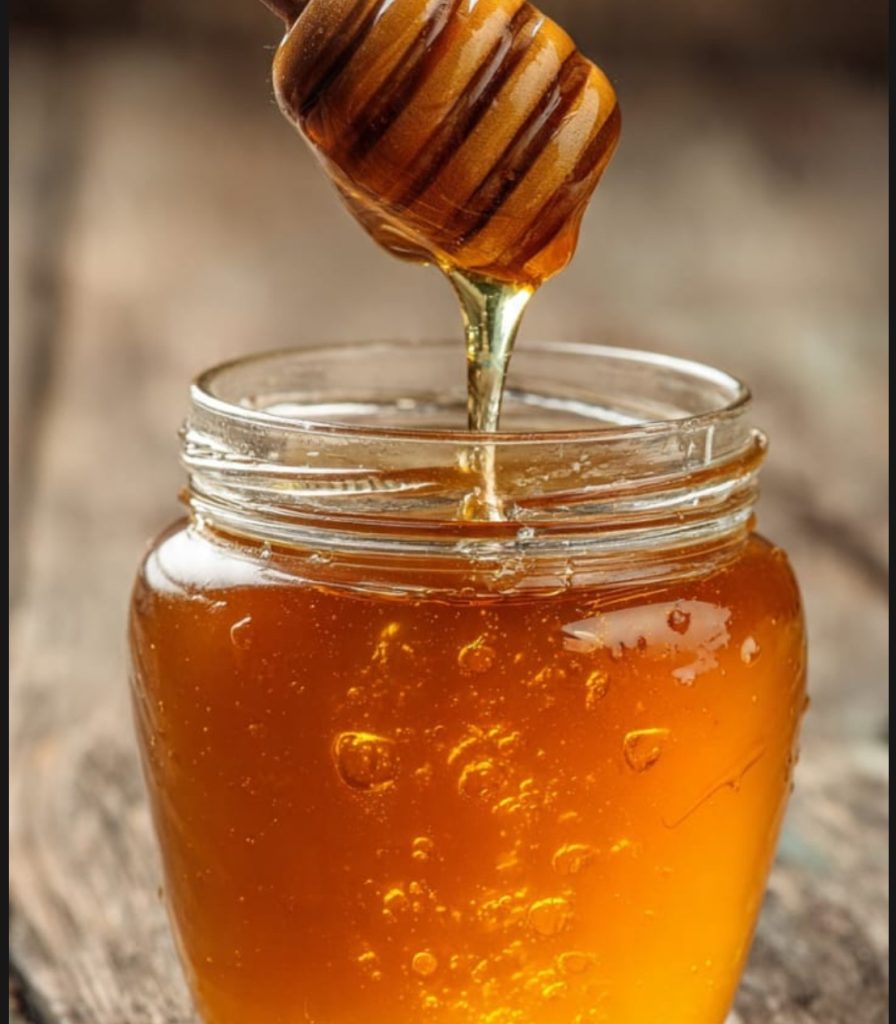
Humans have dodged bee swarms for thousands of years to get honey — and for good reason. It’s food, medicine, and a natural preservative all in one.
Honey’s shelf life is practically endless. It’s low in water, high in sugar, and acidic enough to kill bacteria. Its thick texture also blocks oxygen, so pathogens can’t grow.
The catch: keep it sealed and away from humidity. The USDA says it tastes best within a year, but archaeologists have found 3,000-year-old honey in Egyptian tombs that was still edible.