
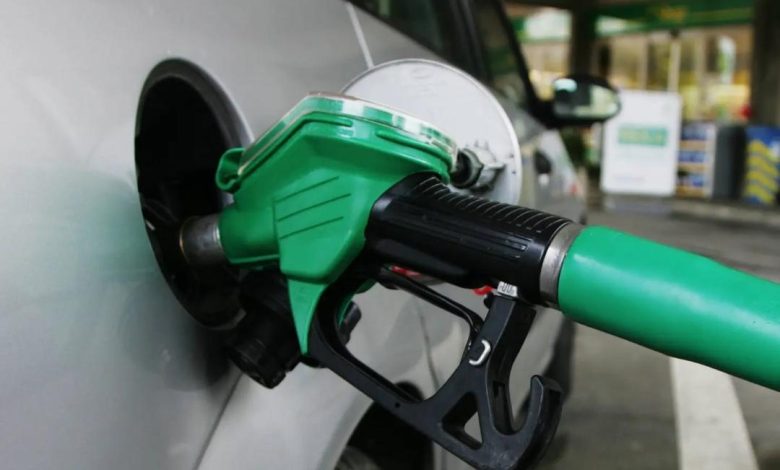
Motorists in Abuja and neighbouring communities are beginning to enjoy some relief at the pumps as the Nigerian National Petroleum Company Limited (NNPCL) has reduced the retail price of Premium Motor Spirit (PMS), popularly known as petrol, by ₦75 per litre.
A market survey conducted on Tuesday revealed that NNPCL filling stations across parts of the Federal Capital Territory have adjusted their pump price from ₦1,335 per litre to ₦1,260 per litre, marking one of the most significant reductions by the state-owned oil company in recent weeks.
The new pricing was already in effect at several NNPCL outlets, including stations along the Kubwa Expressway, Wuse Zone 6 (Berger) and Zone 4, Abuja, as of the time of filing this report.
The latest adjustment comes seven days after Dangote Petroleum Refinery announced a downward review of its ex-gantry petrol price, a development that has continued to influence fuel pricing across the country.
On June 16, 2026, Dangote Refinery slashed its gantry price by ₦75, reducing the cost of petrol supplied to marketers from ₦1,250 per litre to ₦1,175 per litre. The refinery attributed the decision to easing geopolitical tensions in the Middle East and the resulting decline in global crude oil prices.
The reduction triggered expectations of lower pump prices nationwide, with industry observers predicting that major marketers would eventually pass the savings on to consumers. The refinery also directed that outstanding product volumes yet to be lifted by marketers would be repriced at the new rate, further accelerating the impact on the downstream market.
Before NNPCL’s latest move, several independent marketers had already begun adjusting their retail prices. Stations operated by MRS and other marketers were selling petrol within the range of ₦1,241 and ₦1,300 per litre across Abuja, reflecting growing competition in the deregulated market.
Analysts say the latest reduction underscores the increasing influence of local refining on Nigeria’s fuel market, with Dangote Refinery’s pricing decisions now serving as a major benchmark for marketers and depot operators. The refinery’s recent price review followed a drop in international crude oil prices after tensions that had pushed energy costs higher began to ease.
The development is expected to provide modest relief for consumers and businesses grappling with high transportation and operating costs, while raising hopes that further declines could follow if global oil prices remain stable and domestic supply conditions continue to improve.