
‘No Way Home’: Train Strikes Leave Millions Stranded, Bus Routes Overwhelmed

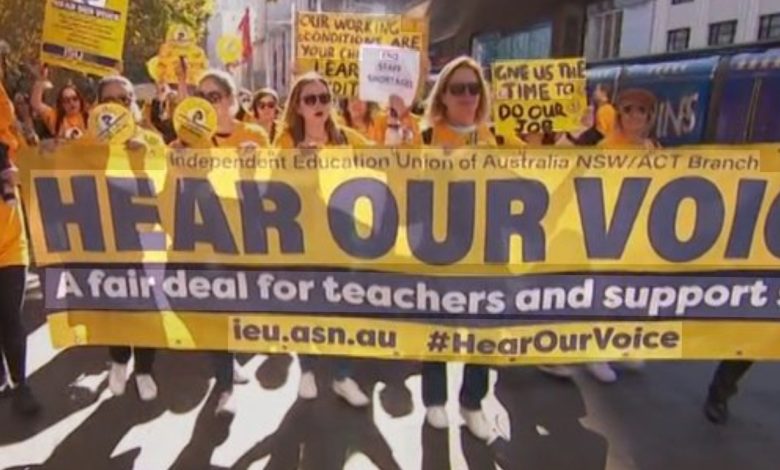
Millions of commuters faced fresh misery today as 24-hour Tube strikes paralysed much of London’s Underground, forcing crowds onto already-strained buses and pushing travel times to breaking point.
The walkouts, organised by the National Union of Rail, Maritime and Transport Workers (RMT), are part of six planned strikes across April, May, and June in a dispute over Transport for London’s proposal for a “voluntary” four-day working week.
The changes would see drivers work longer 8.5-hour shifts for four days instead of the current five, with paid meal breaks. While Aslef, which represents just over half of Tube drivers, has accepted the deal, RMT members say the plan increases fatigue and are demanding a reduction to a 32-hour week and a 3.4% pay rise.
The Human Cost
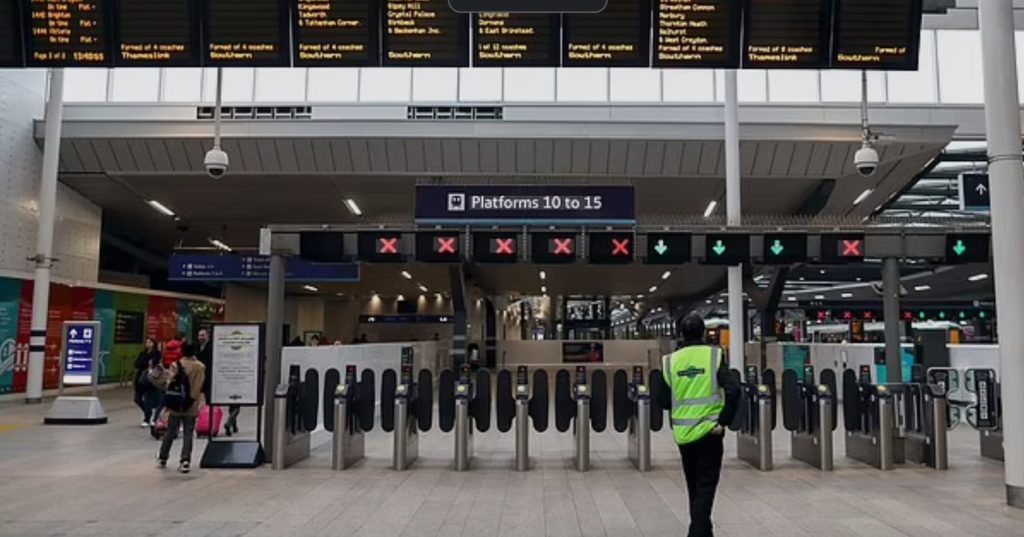
With the Piccadilly and Circle lines shut and no service on parts of the Metropolitan and Central lines, platforms emptied, but bus stops overflowed. TfL warned that buses were running but “likely to be very busy”, and commuters reported hour-long waits just to board.
“It took me 2 hours to do a 30-minute journey,” said Aisha Bello, a nurse from Stratford. “I had to get to my shift. The bus was so packed I couldn’t move. People were missing hospital appointments.”
The pressure is set to worsen. East London faces a separate four-day bus strike from March 19-22 affecting routes 8, 25, 45, and 205 over driver fatigue, while a dispute over ticket office closures threatens “sustained industrial action” on the Elizabeth Line.
A System Under Strain
The strikes expose how fragile London’s transport network has become. “When rail networks constrict, buses become the workhorse,” analysts note, but buses aren’t just a backup; they’re “connective tissue for a city that values last-mile access”.
With Overground and DLR still running, many travellers are cobbling together multi-modal routes, turning to Uber Boat services and e-bikes as alternatives.
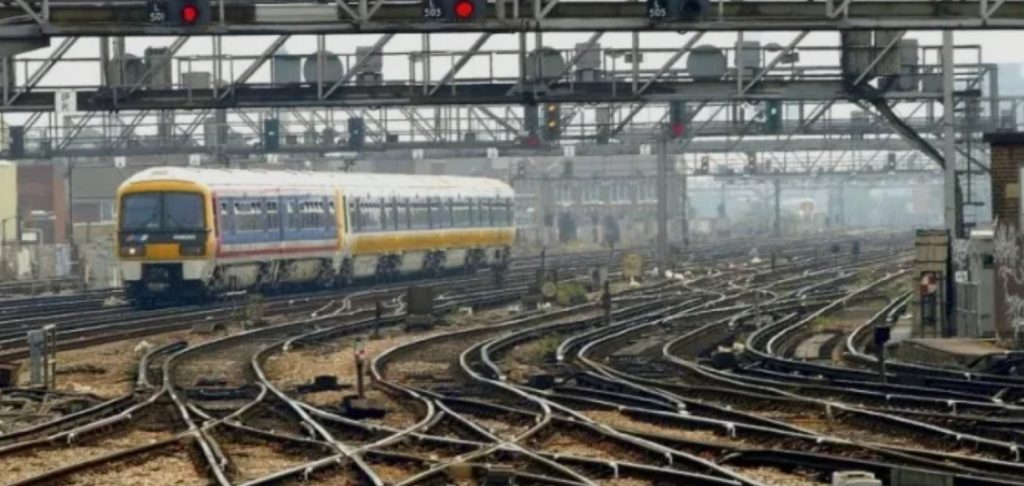
The dispute comes as passengers elsewhere grapple with separate rail woes. A West Coast Main Line closure in January 2026 for bridge works will shut parts of the network for two weeks, and a “do not travel” alert hit Southern and Thameslink this week after a derailment and signalling fault.
RMT general secretary Eddie Dempsey accused TfL of “reneging on promises to negotiate in good faith”, while TfL insists the four-day week is voluntary and gives drivers “an extra 35 days off every year”. No new talks are currently planned.
For now, commuters are left with longer days, higher stress, and fewer options. The next RMT walkouts run from noon Thursday to noon Friday, with services disrupted into the evenings.