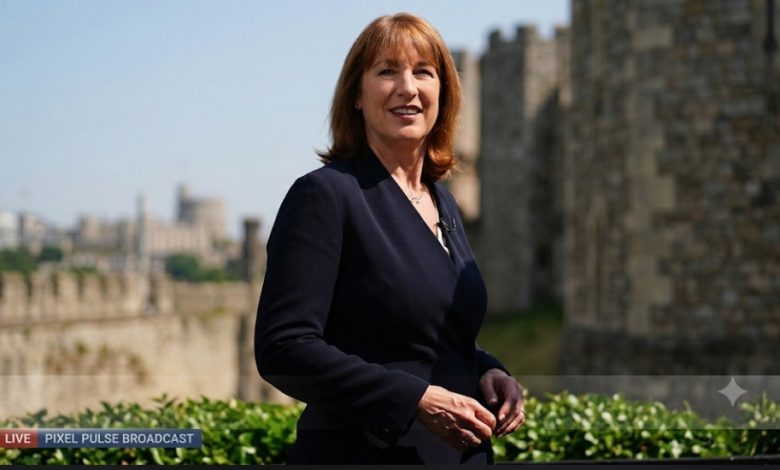
Chancellor Rachel Reeves has thrown her weight behind Andy Burnham’s expected rise to Number 10, describing the newly elected Labour heavyweight as the right person to lead Britain following Sir Keir Starmer’s shock resignation.
Speaking on Thursday, Reeves openly endorsed Burnham as the country’s next Prime Minister despite widespread reports suggesting she could lose her position as Chancellor if the Greater Manchester Mayor chooses to reshape the top ranks of government.
Burnham, who was officially sworn in as the Member of Parliament for Makerfield on Monday after securing a historic bye-election victory, is widely regarded as the overwhelming favourite to succeed Starmer as Labour leader and Prime Minister.
While speculation continues over who would oversee the nation’s finances under a Burnham administration, Reeves said she would not attempt to influence his decision on the next chancellor but urged any successor to maintain the fiscal principles she introduced during her tenure.
Addressing delegates at the British Chambers of Commerce annual conference, Reeves defended her economic strategy and stressed that there remained “unfinished business in fiscal devolution” — an agenda she said Burnham strongly supports.
She also revealed that Burnham had committed himself to preserving her fiscal rules, including ensuring that day-to-day government spending is financed through taxation by the end of the current Parliament, limiting borrowing to long-term investment projects and reducing national debt as a share of economic output.
“Andy has been really explicit — he backs those fiscal rules,” Reeves told business leaders at the conference.
In an earlier interview with the BBC, the Chancellor argued that Labour had inherited a fragile economic situation from the previous Conservative government.
“The last government lost control of the public finances. It sent inflation through the roof and interest rates through the roof,” she said.
According to Reeves, maintaining discipline over public finances remains essential to protecting households and businesses from rising prices, tax increases and higher borrowing costs.
Although she noted that the government had increased its financial headroom since taking office, Reeves insisted that Labour’s commitment to fiscal responsibility must remain beyond doubt.
The Chancellor also highlighted her close alignment with Burnham on fiscal devolution — the transfer of spending and taxation powers from Westminster to local authorities — including giving councils greater freedom over measures such as tourism and hotel levies.
Burnham is currently the only declared contender in the race to replace Starmer, who announced his resignation earlier this week following a wave of departures from senior figures within his Cabinet.
If no rival candidate enters the contest, the former Health Secretary and current Greater Manchester Mayor could become Britain’s next Prime Minister as early as July 17.
Asked during the conference by Sky News presenter, Sophie Ridge, whether Labour needed to change direction, Reeves acknowledged that the Party had to improve how it communicated its achievements in government.
“We need to do more to connect to the country, tell a better story of what we’ve done in government and set out the vision of where we want the country to go,” she said.
“That is what Andy will be able to provide as our next Prime Minister. He is a great communicator, he’s got a great track record of delivering in Greater Manchester, and I have no doubt he will bring that to the position of prime minister.”
Questions have also emerged over Reeves’ absence from the gathering outside Downing Street on Monday when Starmer announced he would step down.
Although she later appeared alongside Burnham for photographs following his swearing-in ceremony at Westminster, Reeves declined to explain why she missed the Prime Minister’s address.
“I don’t think anyone can doubt my commitment to the Prime Minister,” she said.
“I’ve been by his side for six years now as shadow chancellor and then as Chancellor of the Exchequer.”
Reflecting on her time at the Treasury, Reeves admitted there were decisions she would approach differently if given another opportunity but insisted she remained proud of her record in office.
She pointed to increases in the national living wage and national minimum wage, alongside economic growth and easing inflation, as some of the achievements of the current administration.
“I know that whoever is prime minister and chancellor in the future will inherit a stronger economy than the one I inherited two years ago,” Reeves added.