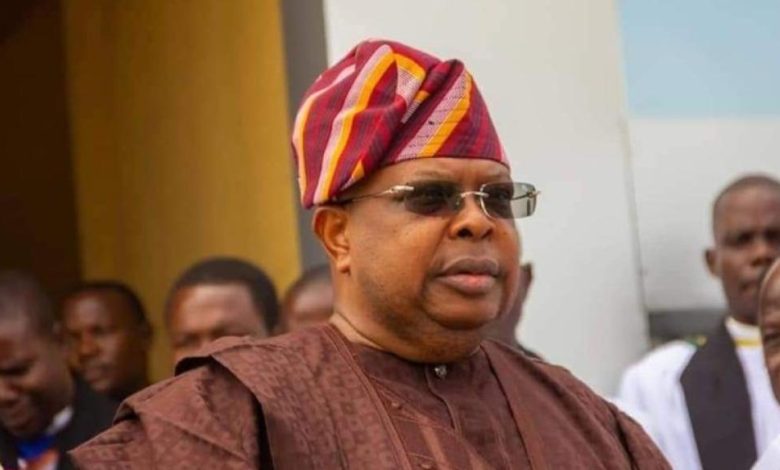
President Bola Ahmed Tinubu has formally nominated Joseph Olasunkanmi Tegbe as Nigeria’s new Minister of Power, forwarding his name to the Senate for screening and confirmation.
The nomination, announced through an official statement by presidential spokesperson Bayo Onanuga, is part of ongoing efforts to reposition the country’s electricity sector and sustain reforms already underway.
If confirmed, Tegbe will take over leadership of the Ministry of Power at a time when Nigeria continues to grapple with persistent energy challenges, including unstable grid supply and infrastructure gaps.
The move follows the exit of former power minister Adebayo Adelabu, who stepped down from office to pursue elective political ambitions ahead of the next election cycle.
According to the presidency, Tegbe’s nomination is expected to “strengthen ongoing reforms in the power sector, improve grid stability and attract sustainable investment.”
This signals the administration’s continued focus on improving electricity generation, transmission, and distribution critical areas that have long affected economic growth and industrial productivity.
In line with constitutional provisions, the nomination has been transmitted to the National Assembly, where lawmakers are expected to conduct screening proceedings before a final confirmation vote.
Typically, such nominations are read during plenary and referred to relevant committees for evaluation. The Senate will assess Tegbe’s professional background, policy direction, and readiness to handle one of Nigeria’s most complex ministries.
Once cleared, he will be sworn in as a substantive member of the Federal Executive Council.
Joseph Tegbe is widely regarded as an experienced economic and policy expert with a strong background in finance and public sector reform. He has held senior roles in both private and public institutions, including advisory and consulting positions focused on economic development.
Industry observers note that his appointment could bring a technocratic approach to the power sector—particularly in areas such as investment structuring, regulatory efficiency, and public-private partnerships.
His selection also aligns with broader efforts by the Tinubu administration to bring in professionals with reform-oriented credentials into strategic government positions.
Nigeria’s electricity sector has faced longstanding structural issues, including inadequate generation capacity, weak transmission networks, and liquidity constraints within the distribution chain.
Despite several reform initiatives over the years, power supply remains inconsistent across many parts of the country, affecting businesses and households alike.
Analysts say the incoming minister will be expected to accelerate reforms, address bottlenecks in the value chain, and build investor confidence in the sector.
The government has repeatedly emphasized the need for increased private sector participation and improved regulatory frameworks to unlock growth in the industry.
Tegbe’s nomination is one of several recent appointments and nominations by the president aimed at reshaping key institutions and strengthening governance structures.
In recent weeks, the presidency has forwarded multiple names to the Senate for confirmation across different sectors, reflecting an active phase of administrative adjustments.
Such moves are often designed to align leadership with policy priorities and ensure that critical sectors are led by individuals capable of delivering on reform agendas.
The Senate is expected to schedule Tegbe’s screening in the coming days. If approved, his immediate priorities will likely include stabilizing the national grid, improving power distribution efficiency, and attracting fresh investment into the sector.
Stakeholders in Nigeria’s energy space will be watching closely to see how his leadership shapes the next phase of reforms.
For many Nigerians, the expectation remains clear: tangible improvements in electricity supply and a more reliable power system.