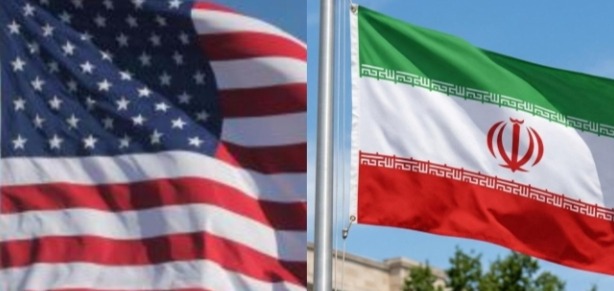
The United States military has officially lifted its blockade on Iranian maritime traffic, reopening access to key ports after Washington and Tehran reached a landmark peace agreement aimed at easing years of hostility between both countries.
The announcement was made on Thursday, June 18, 2026, by the U.S. Central Command (CENTCOM), which confirmed that commercial vessels can now freely enter and exit Iranian ports, although American naval forces will continue operations in surrounding waters.
According to CENTCOM, “The U.S. military has lifted its blockade on maritime traffic entering and exiting Iranian ports,” while noting that “U.S. naval ships will remain in the general area.”
U.S. Vice President, J.D. Vance also confirmed the development, stating that implementation of the agreement had already begun and that the 60-day negotiating phase between Washington and Tehran had officially commenced.
“The 60-day negotiating period between Tehran and Washington has begun today and the blockade of Iran’s ports has been lifted,” Vance said.
The move follows the electronic signing of a 14-point Memorandum of Understanding (MoU) between U.S. President, Donald Trump and Iranian President, Masoud Pezeshkian, designed to end military tensions and establish a framework for long-term peace, economic cooperation and regional stability.
The agreement reportedly outlines a roadmap for ending hostilities, easing sanctions, addressing Iran’s nuclear concerns and reviving the country’s economy after years of restrictions.
One of its key provisions includes a large-scale reconstruction plan for Iran, with both sides and their allies agreeing to develop a package estimated at $300 billion for Iran’s economic rebuilding.
The memorandum states that the initiative is expected to become one of the largest reconstruction efforts in the Middle East, focusing on post-conflict recovery and infrastructure development.
On security, both nations agreed – along with their respective allies – to immediately and permanently halt military operations across all fronts, including in Lebanon, while also pledging mutual respect for sovereignty and non-interference in internal affairs.
Iran’s Supreme Leader, Mojtaba Khamenei, reportedly expressed reservations but ultimately approved the agreement after assurances from senior officials.
The deal also includes sweeping economic concessions from Washington, including efforts to lift United Nations, IAEA and U.S. sanctions, alongside expected Treasury waivers for Iranian oil exports, banking, insurance and shipping services.
However, despite the breakthrough, tensions persist in parts of the region, with reports of continued Israeli military activity in southern Lebanon despite ceasefire-linked provisions.
Hezbollah leader, Naim Qassem, described the agreement as a “big victory,” insisting future negotiations involving Lebanon and Israel should focus only on mutual security arrangements.
The lifting of the blockade is being viewed as the first concrete step in implementing the agreement and could immediately boost Iran’s oil trade and maritime commerce while paving the way for broader diplomatic engagement between Washington and Tehran.