UK Considers Skilled Worker Visa Changes That Could Boost Opportunities for Nigerians
Proposed salary threshold adjustments in shortage occupations could make it easier for Nigerian professionals to secure UK job sponsorship in key sectors like healthcare, IT, engineering, construction, and education, though the policy is still under review.

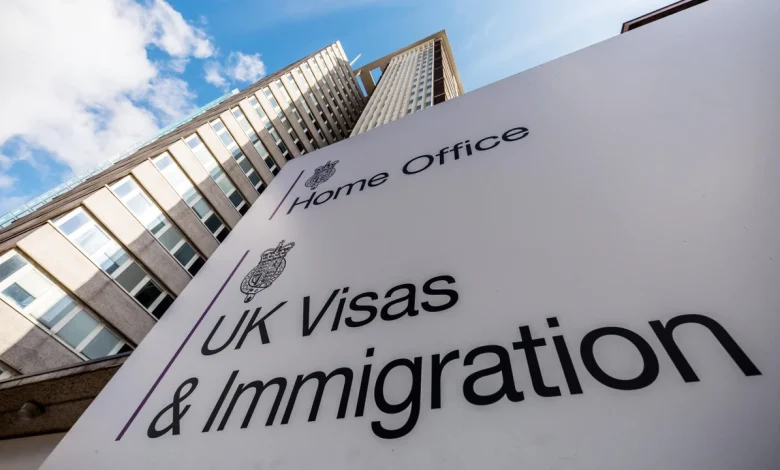
London, United Kingdom — The United Kingdom is currently reviewing possible changes to its Skilled Worker visa system. This development could have direct implications for Nigerian professionals seeking employment opportunities in the country.
The discussions, informed by recommendations from the Migration Advisory Committee, are focused on whether salary requirements for certain shortage occupations should be adjusted in response to ongoing labour shortages across key sectors.
How could this affect Nigerians?
If implemented, the proposed adjustments could make it easier for some Nigerians to secure jobs in the UK, particularly in sectors where demand for workers remains high. These include healthcare, information technology, engineering, construction, and education.
For many Nigerian applicants, one of the biggest barriers under the current system is meeting the salary threshold required for sponsorship. Some employers, especially in smaller organisations or outside major cities, struggle to meet these pay levels even when they are willing to hire skilled foreign workers.
A potential easing of salary requirements in shortage occupations could therefore open up more sponsorship opportunities. This may benefit Nigerian nurses, care professionals, engineers, IT specialists, and teachers who already meet qualification standards but are priced out by salary rules.
What will not change
Despite the possible adjustments, the core structure of the Skilled Worker visa route will remain the same. Applicants will still need:
- A confirmed job offer from a licensed UK sponsor
- Proof of English language proficiency
- Relevant qualifications and work experience
- Compliance with UK immigration rules
So while access may become slightly easier in specific roles, the process will still be competitive and regulated.
Wider context for Nigerian migrants
In recent years, UK immigration policy has become more restrictive, with higher salary thresholds and tighter eligibility rules reducing the number of approved work visas overall. This has had a direct impact on applicants from Nigeria, where many skilled professionals previously relied on shortage occupation discounts to secure sponsorship.
If the current proposals are approved, they would not fully reverse those changes but could provide limited relief in specific sectors facing recruitment challenges.
What experts are saying
Immigration analysts suggest that any benefit for Nigerian applicants will depend heavily on how widely the changes are applied. If only a small list of occupations is adjusted, the impact may be limited. However, if broader categories are included, more Nigerians could find it easier to qualify for UK-based roles.
At the same time, experts caution that the UK government continues to prioritise reducing overall migration numbers, meaning any easing in one area may be balanced by tighter rules elsewhere.
Outlook
The proposals are still under review and have not been approved. Any changes would require formal updates to the UK Immigration Rules before they take effect.
For now, Nigerian professionals looking to move to the UK are advised to rely on confirmed policy updates and ensure they meet current Skilled Worker visa requirements before applying.