Video: South Africa Hospital Confrontation Sparks Xenophobia Alarm As Foreign Patients Told To Leave
Viral April 2026 clip of SA hospital nationality checks draws condemnation.

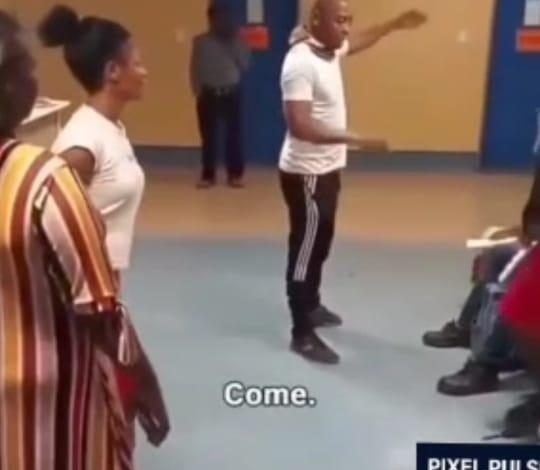
Part one PIXEL PULSE CONTENT ADVISORY.APRIL 2026.Verbal confrontation in a South African hospital.No violence shown. Faces blurred (POPIA compliant).For public interest reporting.
DURBAN, South Africa— A video filmed inside a South African hospital in April 2026 has triggered widespread alarm after showing a group of individuals demanding that patients state their nationality, then ordering those identified as foreign nationals to leave the facility.
Part 2 PIXEL PULSE CONTENT ADVISORY.APRIL 2026.Verbal confrontation in a South African hospital.No violence shown. Faces blurred (POPIA compliant).For public interest reporting.
The incident, which circulated widely across social media platforms last month, is now being cited by human rights monitors and diplomats as part of a broader surge in xenophobic sentiment targeting African migrants in South Africa.
Part 3: PIXEL PULSE CONTENT ADVISORY.APRIL 2026.Verbal confrontation in a South African hospital.No violence shown. Faces blurred (POPIA compliant).For public interest reporting.
In the footage, a man moves through a hospital ward addressing patients directly. He asks people to disclose their country of origin. One woman, reportedly receiving treatment with her child, was among those told to vacate the premises after being identified as Zimbabwean. Witnesses described the tone of the confrontation as mocking and hostile.
The clip does not show physical violence, but the act of singling out patients inside a medical facility has drawn sharp criticism from advocacy groups, who say it violates principles of non-discrimination in healthcare access.
Context: April 2026 Tensions
The hospital confrontation occurred during a period of heightened anti-immigrant activity across several South African cities. Throughout April 2026, groups aligned with campaigns like “Operation Dudula” and organized public demonstrations described as “clean-up” campaign.
These groups have staged protests in urban centers including Durban, calling for the removal of undocumented immigrants. Activities reported during the month included street ID checks, marches targeting foreign-owned businesses, and confrontations at public institutions.
On 20 April 2026, former radio personality Ngizwe Mchunu led a march through Durban’s central business district that resulted in clashes with private security personnel guarding stores owned by foreign nationals.
The climate escalated further when plans circulated for a nationwide shutdown on 4 May 2026, focused on immigration grievances.
Official Response And Diplomatic Fallout
The South African Human Rights Commission had already flagged inflammatory rhetoric months earlier. In a media statement dated 9 October 2025, the SAHRC concluded that certain public utterances by Mr. Ngizwe Mchunu constituted _prima facie_ violations of the Promotion of Equality and Prevention of Unfair Discrimination Act, 2000.
The Commission demanded that Mr. Mchunu:
“Immediately cease from publishing, distributing, or promoting any further content that incites violence, constitutes hate speech, or amounts to discrimination against LGBTI + persons on any platform”
While that specific ruling addressed hate speech against LGBTI + persons, the SAHRC indicated it was assessing multiple complaints against Mchunu related to harassment and discrimination.
The hospital incident also drew diplomatic attention. Ghana’s Foreign Affairs Minister, Samuel Okudzeto Ablakwa, confirmed he spoke directly with South Africa’s foreign minister, Ronald Lamola, regarding viral videos targeting migrants.
According to Ablakwa, South African authorities expressed empathy with victims and promised full-scale investigations.
“The South African Foreign Minister has expressed his empathy with the victims and promised full scale investigations into the depressing incidents,” Ablakwa said in April 2026
He added that Ghana’s diplomatic mission had located a Ghanaian national seen in one of the viral clips and confirmed he was safe.
“He is doing very well. No Ghanaian life has been lost. We urge calm and confidence in our collective capacity to protect Ghanaians,” Ablakwa stated
Community Impact And Safety Concerns
Leaders within migrant communities say the hospital video has deepened fear among foreign nationals seeking basic services. Yirenyi Darko, Chairman of the Ghanaian community in Mthatha, noted that anxiety was not limited to Ghanaians.
“We are only trusting God for protection,” Darko said, adding that while Eastern Cape had not seen extremes witnessed in other provinces, “generally, the situation remains worrying”
Darko urged migrants to remain vigilant as uncertainty grew over planned protests.
Human rights observers warn that targeting individuals in hospitals sets a dangerous precedent. South Africa’s public healthcare system is constitutionally required to provide emergency care to all persons, regardless of nationality or immigration status. Denying treatment based on origin could breach both domestic law and international human rights obligations.
Why Healthcare Access Became A Flashpoint
Analysts point to three factors driving the April 2026 surge:
Economic Pressure: South Africa’s unemployment rate remains above 32%. Competition for jobs and public resources has intensified rhetoric blaming foreign nationals for scarce opportunities.
Social Media Amplification: Clips of confrontations are shared rapidly on X, TikTok, and Facebook. Authorities have cautioned that some footage is mislabeled or outdated, but real incidents like the hospital video gain traction quickly.
Political Mobilization: Public figures and activist groups have organized marches framing migrants as the cause of crime and unemployment. Critics argue this rhetoric emboldens vigilante actions.
The April hospital incident is one of several documented cases last month. Reports also emerged of individuals being stopped on streets and asked for identification to prove citizenship.
What Happens Next
As of late April 2026, South African authorities had not released an official statement specifically addressing the hospital video. However, police have previously said they are monitoring planned protests and will act against criminal conduct.
The SAHRC indicated it could institute proceedings in the Equality Court if directives to cease discriminatory content are ignored.
Civil society organizations are calling for three immediate steps:
Public Assurance: Clear communication from the Department of Health that hospitals will not deny care based on nationality.
Investigations: Identification and prosecution of individuals who threaten or obstruct patients in medical facilities.
Counter-Messaging: Community outreach to reduce misinformation linking migrants to economic hardship.
The hospital video has been widely shared, sometimes with captions claiming it shows “South Africa 2026 civil war” or “black vs white gunfights.” Fact checks of viral content throughout April show most “civil war” clips are actually from 2020 Brackenfell school protests or 2021 July unrest following former President Jacob Zuma’s imprisonment.
The verified incidents from April 2026 including the hospital confrontation and Durban marches reflect xenophobic targeting of African migrants, not a broad racial conflict between Black and white South Africans.
Understanding that distinction is critical, experts say, because mislabeling the crisis fuels further division and can incite retaliatory violence.