Ayodele’s Old UK Break-Up Prophecy Resurfaces As Scotland, Wales And Northern Ireland Push For Constitutional Change
The 2026 push for greater self-determination has renewed attention on a prediction made years ago by Nigerian cleric Primate Elijah Ayodele.

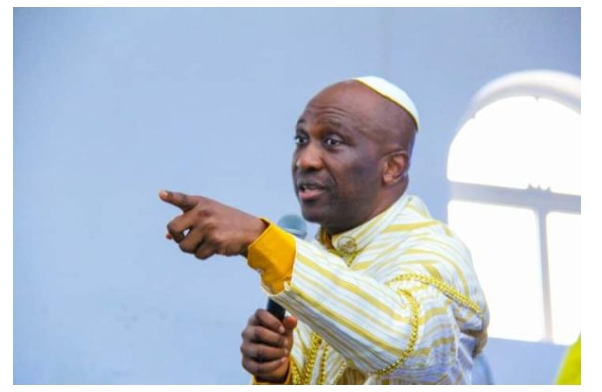
LONDON, UNITED KINGDOM: An old prophecy by Nigerian cleric and founder of INRI Evangelical Spiritual Church, Primate Elijah Ayodele, has resurfaced following a major constitutional development involving Scotland, Wales and Northern Ireland.
The development comes after the leaders of the three nations signed a memorandum of understanding in Cardiff calling on the UK government to prepare for constitutional change and recognising what they described as their right to determine their respective futures.
The agreement has renewed public discussion about the future of the United Kingdom and has also drawn attention to previous predictions attributed to Ayodele concerning the country’s unity.
According to a report published by The Scoper Media, Ayodele had predicted several years ago that the UK’s unity would eventually face serious challenges, specifically pointing to Scotland’s push for independence.
The report quoted Ayodele as saying that the United Kingdom’s unity would not survive the next 20 years and that Scotland would push to leave the UK. It also referenced his 2020/2021 Warnings To The Nations publication, which reportedly predicted that Scotland would strive to gain independence.
The latest political development has given fresh relevance to those earlier statements. However, the current situation does not amount to an actual break-up of the United Kingdom.
Scotland, Wales and Northern Ireland remain part of the UK, while any eventual constitutional separation would require significant political and legal processes. The House of Commons Library notes that the UK’s constitutional arrangements provide mechanisms through which parts of the UK could potentially secede, but independence is not automatic simply because political leaders call for it.
The UK Government has also maintained its opposition to Scottish independence and another independence referendum under current circumstances. In a parliamentary response published on September 15, 2026, the Scotland Office said the government does not support independence or another referendum, arguing that there is currently no consensus for one.
The Cardiff agreement is nevertheless significant because the leaders involved are collectively calling for constitutional change and greater self-determination. The memorandum has intensified debate about whether the UK’s current constitutional structure can continue unchanged.
For now, Ayodele’s earlier prediction remains a prophecy whose relevance supporters may point to when discussing the latest developments, rather than evidence that the United Kingdom has already broken apart.
The coming political and constitutional debates in Scotland, Wales and Northern Ireland will determine whether the latest push develops into concrete moves towards independence or further devolution.