
Ceasefire on the Brink: U.S. Accuses Iran as Hormuz Blockade Sparks Global Oil Panic.

Tensions between the United States and Iran are rising again just days into a fragile two-week ceasefire, raising fears that the truce could collapse before critical negotiations begin.
Washington has accused Tehran of failing to honour key commitments regarding the Strait of Hormuz, one of the world’s most important energy shipping routes. The accusations surfaced barely a day before both sides are expected to sit down for high-stakes talks in Pakistan aimed at easing the conflict.
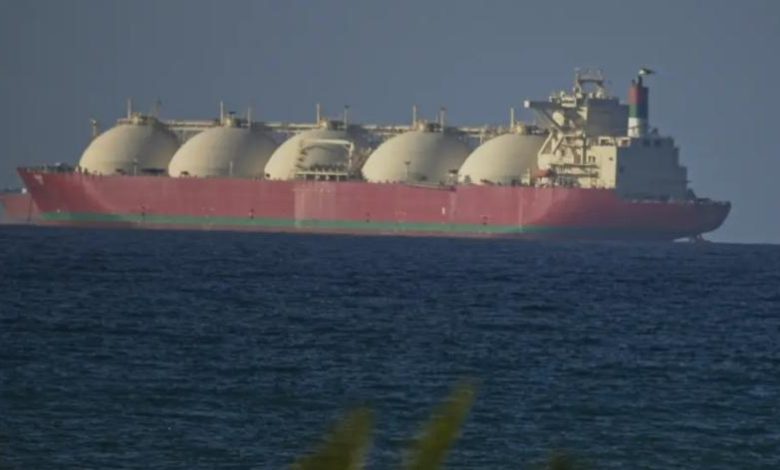
The situation remains tense as Iran has yet to fully reopen the strategic strait, where traffic has slowed dramatically amid the crisis. The waterway normally carries roughly one-fifth of global oil and liquefied natural gas shipments, with about 140 vessels passing through daily before the conflict erupted. However, during the first 24 hours of the ceasefire, only one oil tanker and five bulk carriers reportedly sailed through the route — a sharp decline that has rattled global energy markets.
Iran has blamed the continuing hostilities on Israel’s military actions in Lebanon, which Tehran argues undermine the spirit of the ceasefire. Israeli forces carried out fresh strikes in Lebanon, targeting rocket launchers after projectiles were fired toward northern Israel.
Meanwhile, the Iran-backed militant group, Hezbollah, said it launched a missile toward the Israeli city of Haifa, claiming it was aimed at Israeli military infrastructure. Israeli defence systems reportedly intercepted the projectile after air-raid sirens sounded across the area.
Reacting to the ongoing blockade concerns, Donald Trump criticised Iran on social media, saying the country was doing a “very poor job” of allowing oil shipments through the strait. He insisted that restoring the flow of energy supplies was a key part of the agreement, though he did not specify what actions Washington might take if the situation persisted.
At the same time, Iran’s leadership has adopted a defiant tone. Mojtaba Khamenei declared that Iran would seek compensation for damage caused during the conflict and vowed that those responsible for attacking the country would not go unpunished.
The ceasefire itself was brokered by Pakistan, which is now preparing to host the first round of diplomatic negotiations between the two sides. The talks are expected to feature senior officials, including Iran’s Parliament Speaker, Mohammad Baqer Qalibaf and J.D. Vance representing Washington.
Iran has already presented a 10-point proposal outlining its conditions for ending the conflict. Among its key demands are continued Iranian control over the Strait of Hormuz, recognition of the country’s right to pursue nuclear enrichment, and the lifting of international sanctions.
Meanwhile, Benjamin Netanyahu said Israel is preparing to open peace discussions regarding the conflict in Lebanon, with a focus on disarming Hezbollah and restoring stability along the border.
Despite these diplomatic efforts, analysts warn the ceasefire remains extremely fragile. With continued strikes, rising tensions among regional allies, and global energy markets already feeling the shock, the coming negotiations could prove decisive in determining whether the crisis escalates further — or moves toward a lasting settlement.