FG to Wire Nigeria with 90,000km Fibre, Eyes $2bn Internet Revolution


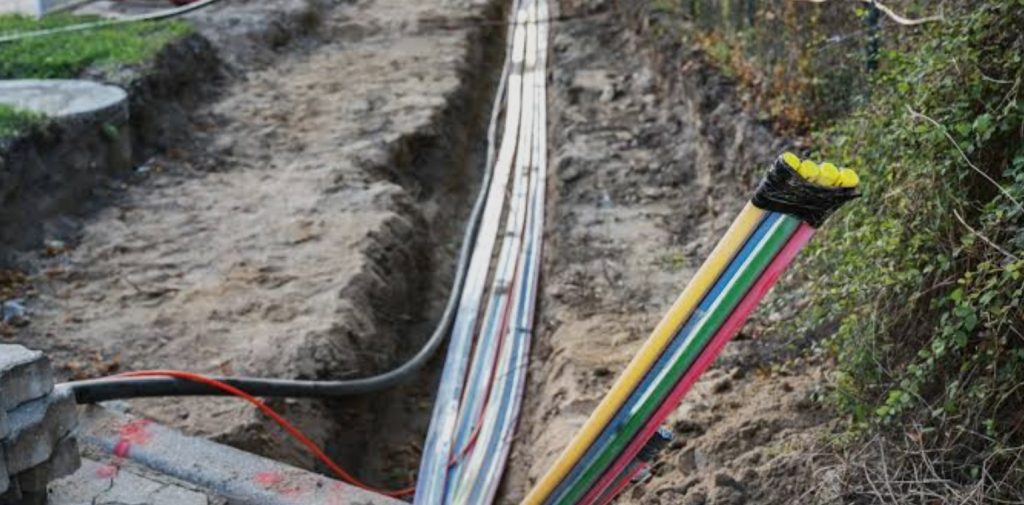
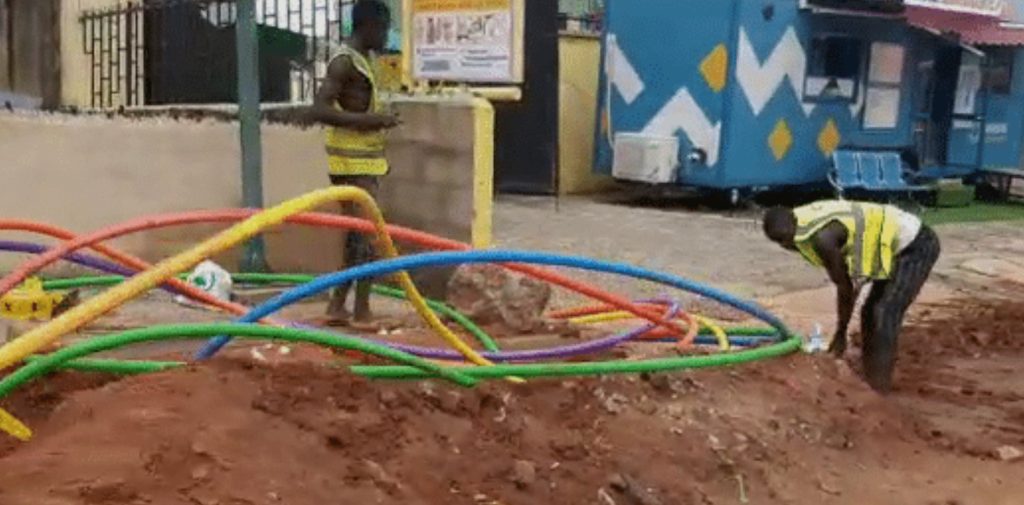
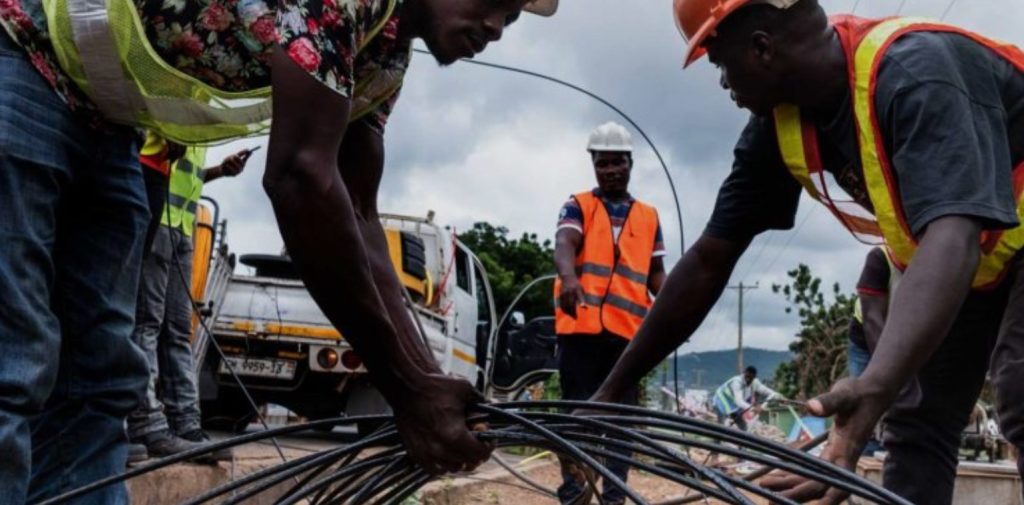
The Federal Government is set to commence the rollout of 90,000 kilometres of fibre optic cable nationwide in Q4 2025, in what officials describe as the biggest broadband infrastructure push in Nigeria’s history.
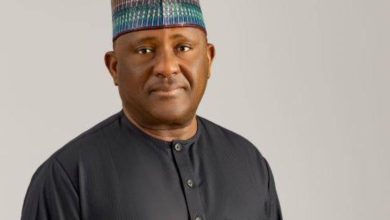
The Minister of Communications, Innovation and Digital Economy, Dr Bosun Tijani, disclosed this in Abuja during an interview for a State House documentary marking President Bola Tinubu’s second anniversary.
The project, tagged “Project BRIDGE”, is estimated to cost $2 billion, about N3.3 trillion, and will be executed through a Special Purpose Vehicle with funding from Development Finance Institutions and private equity investors.
“We are preparing a $2 billion investment to ensure every Nigerian can access affordable, high-quality connectivity regardless of location,” Tijani said. “Increasing connectivity hubs by just 10 per cent could yield a 2.5 per cent GDP growth.”
From 35,000km to 125,000km
Currently, Nigeria has about 35,000km of terrestrial fibre. The new rollout will push the total to 125,000km, making Nigeria the third-longest fibre network in Africa behind South Africa and Egypt.
The Minister stressed that the goal is to ensure “every region, every state, and every ward in Nigeria will have a point of presence for fibre”, with special focus on rural and underserved communities.
Alongside the fibre, FG also plans to deploy 7,000 telecom towers nationwide and procure 2 communication satellites.
Jobs, GDP and Digital Economy
According to the ministry, the project is expected to create 20,000 direct jobs and 150,000 indirect jobs, and contribute 1.5% to GDP growth.
Tijani linked the investment to broader gains in the digital economy. FDI in the sector rose from $22m in Q1 2023 to $191m in Q1 2024, a ninefold increase.
He also cited the 3 Million Technical Talent, 3MTT, programme, which has trained over 117,000 Nigerians in digital skills since October 2023.
These foundational reforms, coupled with advancements in artificial intelligence and the startup ecosystem, have positioned Nigeria as a global leader in the digital economy,” Tijani stated.
What it means for Nigerians
Project BRIDGE is designed to reduce the cost of data, improve internet speed and stability, and support businesses, schools, and health centres that rely on connectivity.
The FG said 60% of planning for the project is already complete and funding has been secured.
With the rollout slated for Q4 2025, all eyes will be on how fast the cables get into the ground and whether it finally brings cheap, reliable internet to every corner of Nigeria.