
By PixelPulse Media
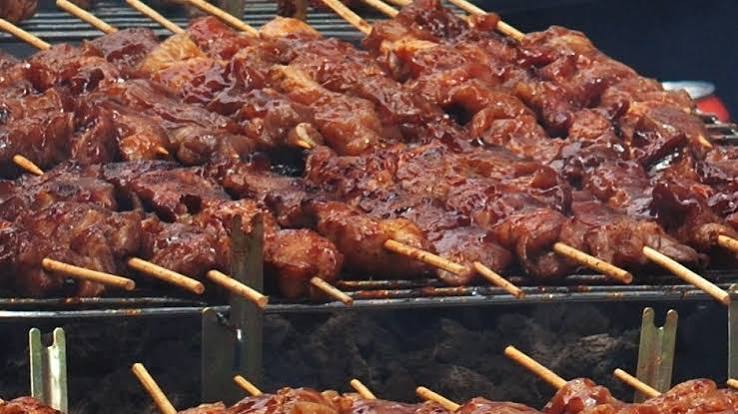
From roadside grills to upscale restaurants and international supermarkets, suya has grown from a beloved Northern Nigerian delicacy into one of the country’s most successful street food businesses. Every evening, the smoky aroma of sizzling meat fills streets across Nigeria, drawing customers from all walks of life.
Today, the suya industry is more than just a food business. It is a vital source of income for thousands of Nigerians, supports livestock farming, creates jobs across the supply chain, and has become an important part of the country’s food culture.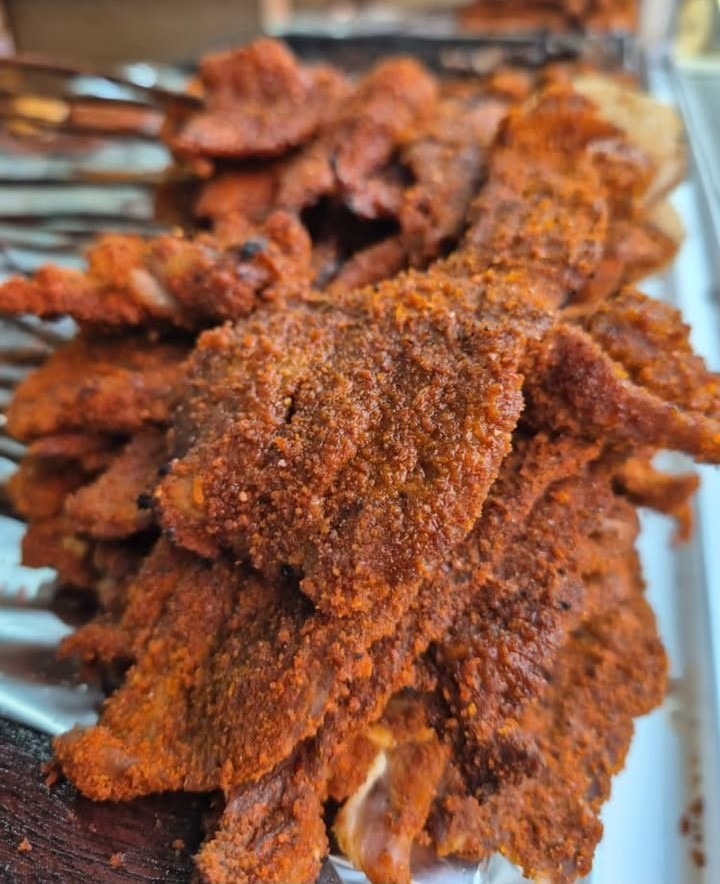
A Culinary Tradition with Deep Roots
Suya traces its origins to Northern Nigeria, where it has been prepared for generations by the Hausa people. Traditionally made from thin slices of beef coated with a spicy peanut-based seasoning known as yaji, the meat is grilled over hot charcoal until tender and smoky.
Over the years, suya has spread beyond its place of origin. It is now enjoyed in every region of Nigeria, with local variations featuring chicken, ram, goat meat, turkey, liver, gizzard and fish. Vendors have also introduced different spice levels and accompaniments to suit local tastes.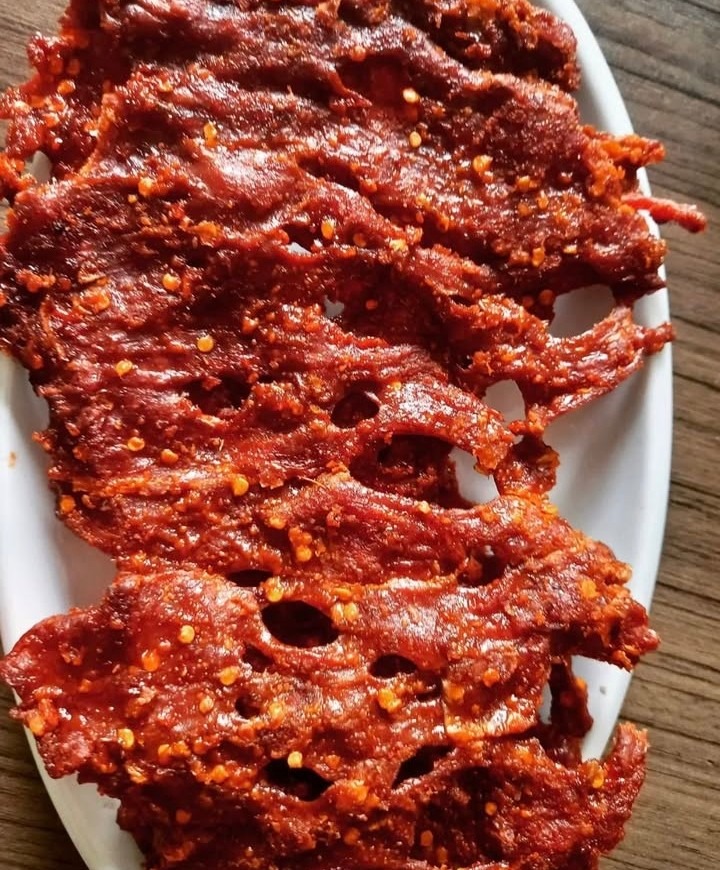
More Than Street Food
What began as a roadside delicacy has evolved into a thriving business ecosystem.
A typical suya enterprise supports numerous livelihoods, including:
- Cattle farmers
- Livestock traders
- Butchers
- Spice producers
- Peanut farmers
- Charcoal suppliers
- Transporters
- Food packaging businesses
- Retail vendors
Every evening, thousands of suya stands across Nigeria serve millions of customers, generating significant daily revenue while employing many young people.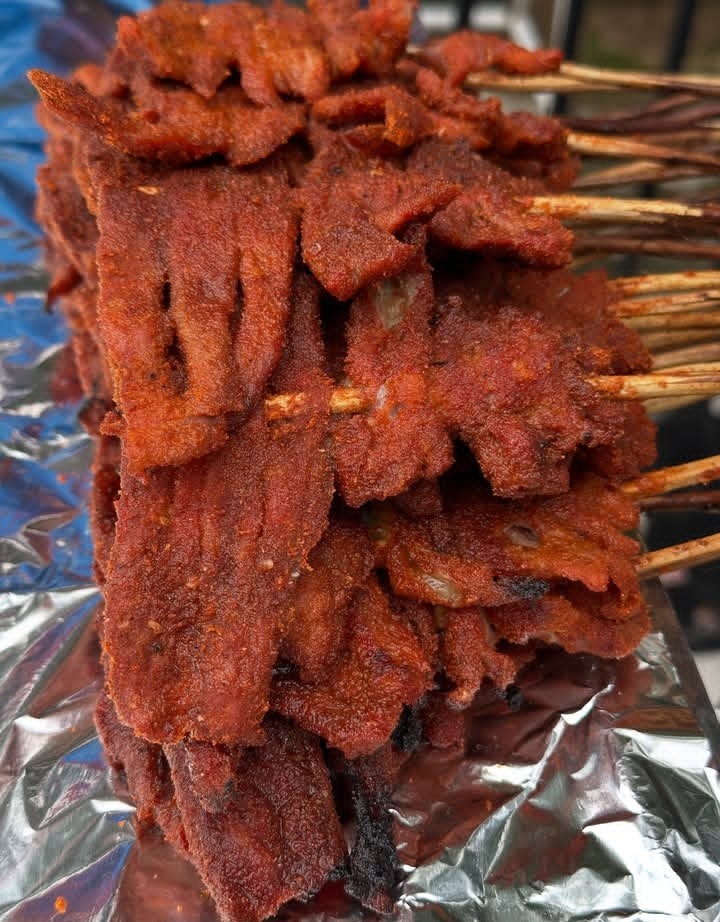
Rising Costs Challenge the Business
Despite its popularity, suya vendors are facing increasing pressure from rising operating costs.
The prices of beef, onions, tomatoes, pepper, cooking oil, charcoal, disposable packaging and transportation have all increased in recent years. Many operators say they have been forced to either increase prices or reduce portion sizes to remain profitable.
Consumers have also noticed that the amount of meat served today is often smaller than it was a few years ago, reflecting the impact of inflation on small businesses.
Technology Is Changing the Industry
The traditional image of suya being sold only from roadside grills is changing rapidly.
Many vendors now accept digital payments, advertise on social media and receive customer orders through food delivery platforms. Some businesses have introduced vacuum-sealed packaging that allows suya to be transported across Nigeria and even exported to Nigerians living abroad.
Entrepreneurs are also building premium suya brands with modern branding, hygienic preparation methods and home delivery services.
Growing Global Demand
As Nigerian cuisine gains international recognition, suya is becoming increasingly popular beyond Africa.
Restaurants in the United Kingdom, the United States, Canada and other countries now feature suya-inspired dishes on their menus. Nigerian communities abroad continue to drive demand for authentic spices and ready-to-eat products.
Food entrepreneurs believe the delicacy has strong export potential if producers meet international food safety, packaging and quality standards.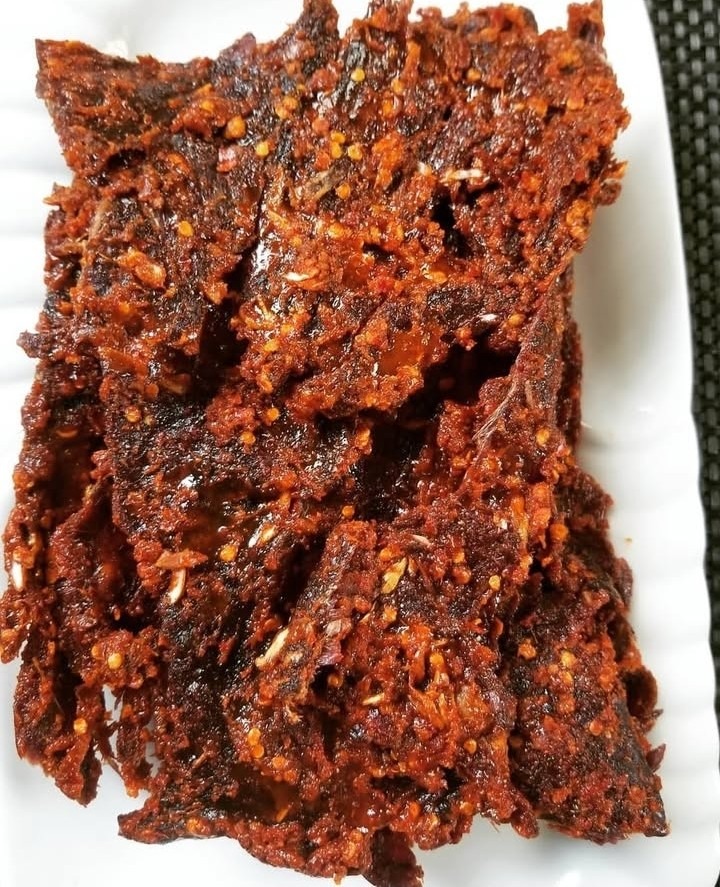
Health and Food Safety Matter
Nutrition experts note that suya is a rich source of protein, iron and several essential nutrients. However, they also advise moderation because the meat can contain high levels of sodium depending on the seasoning used.
Experts recommend that vendors maintain proper hygiene, use clean equipment, store meat safely and avoid excessive charring during grilling to reduce potential health risks.
Consumers are encouraged to buy from vendors who prepare food under clean conditions and observe good food safety practices.
A Symbol of Nigerian Identity
Beyond business, Suya has become a symbol of Nigerian culture.
Whether shared among friends after work, enjoyed during celebrations or served at family gatherings, it continues to unite people from different ethnic and cultural backgrounds.
For many Nigerians living overseas, the taste and aroma of suya evoke memories of home and remain an important connection to their heritage.
Looking Ahead
Industry observers believe Nigeria’s suya business still has considerable room for growth. Better food safety standards, improved packaging, stronger branding and greater investment in meat processing could help transform the industry into an even larger contributor to the economy.
As demand for authentic African cuisine continues to grow around the world, suya is well-positioned to become one of Nigeria’s most recognisable culinary exports, showcasing the country’s rich food culture while creating jobs and opportunities for thousands of entrepreneurs.