
Lionheart Movie Review: When Family, Tribe, and Business Collide

Tailer Courtesy MPM Premium
Genevieve Nnaji’s Lionheart looks like a simple “save the family company” story. But underneath, it’s a sharp look at how tribe, social ties, and business politics run Nigeria’s economy.
The highly acclaimed Nigerian movie was acquired by Netflix on 7 September 2018, making it the first Netflix original film produced in Nigeria. Lionheart premiered at the 2018 Toronto International Film Festival in Canada. The movie was Nnaji’s directorial debut as well as Peter Okoye’s and Chibuzor Azubuike’s (also known as Phyno) acting debut. The film was released worldwide on 4 January 2019 on Netflix.
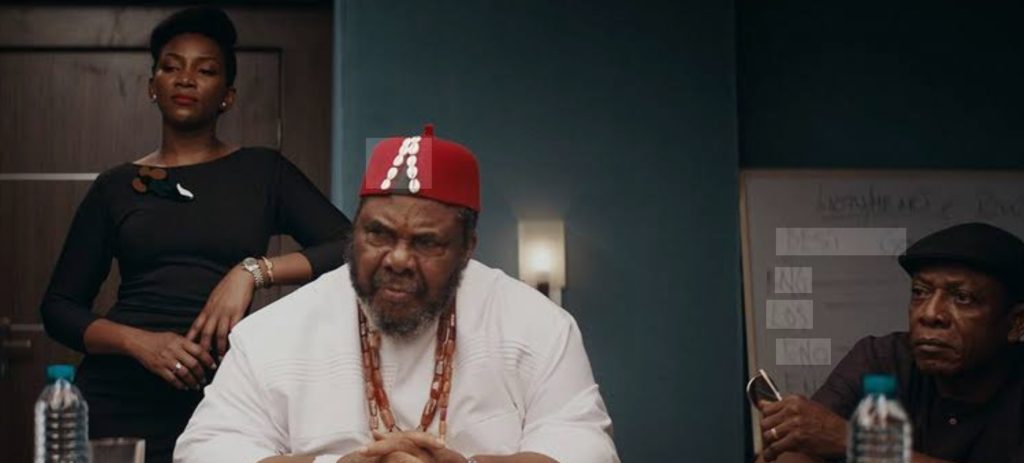
Tribal Relationships: The Pros
The Obiagu family and Lionheart Industries are rooted in Igbo culture and Enugu. That’s the film’s strength.
- Community Trust = Business Capital: Chief Obiagu built Lionheart on “Igbo apprenticeship” values loyalty, family first, and elders respected. His partners trust him because he’s “one of us”. In Nigeria, that ethnic/social trust often fills gaps where institutions fail. Contracts get sealed at village meetings, not just boardrooms.
- Diaspora + Home Connection: The film shows how Enugu businessmen rely on kinship networks to raise funds, get land, and settle disputes. It’s fast, personal, and cheap compared to banks and courts.

Tribal Relationships: The Cons
But Lionheart also shows the dark side.
- “Son of the Soil” Limits Growth: When Chief Obiagu falls sick, the fight isn’t just about competence. It’s about gender + tradition. Adaeze is qualified, but the board and community elders keep asking, “Where is the son?” That’s patriarchy wrapped in culture. It almost kills the company.
- Nepotism Over Merit: Godswill gets a seat at the table because he’s the male child, not because he understands logistics. That’s Nigeria’s economy in miniature — talent loses to “my brother/my tribesman”. It creates weak companies that can’t survive global competition.
- Regional Insularity: Lionheart struggles when it tries to deal with bigger, “outside” players. The film hints that staying too “Enugu/Igbo” can limit access to federal contracts, foreign investors, and national partnerships if politics gets ethnic.

Business Politics & Intrigue
This is where the film is most real.
- Power Struggles Disguised as Tradition: The boardroom fight between Adaeze and Godswill is Nigeria’s boardroom fight. Older men want control. New ideas get blocked until there’s a crisis. The chairman, diffident uncles, and even the bank MD all play politics before they play business.
- Corruption as Shortcut: When Lionheart faces a takeover, the “solution” floated is shady deals and political connections, not better operations. That mirrors real Nigerian SMEs — too many survive on “who you know” in government, not “what you deliver”.
- Women in a Man’s Game: Adaeze’s biggest battle isn’t the rival company. It’s convincing men that a woman can lead. Her win at the end is small, but symbolic. It asks: What if Nigeria stopped wasting 50% of its talent because of culture?

The Verdict
Lionheart isn’t perfect; the pacing drags, and the ending feels too neat. But as social commentary, it hits hard. It celebrates Igbo enterprise and family loyalty, then questions them. Socially, the tribe gives Nigerians safety and identity. Economically, it can also cage us.

For a debut director, Genevieve made a film that’s both a love letter and a warning to Nigerian business. Culture can build you, but it can also break you if you let it override competence.
Rating: 7.8/10: Watch it for Pete Edochie’s gravitas, Genevieve’s calm fire, and that boardroom scene every Nigerian SME owner will recognise.