
Olumo Rock: Abeokuta’s Ancient Fortress and Nigeria’s Hidden History Hub

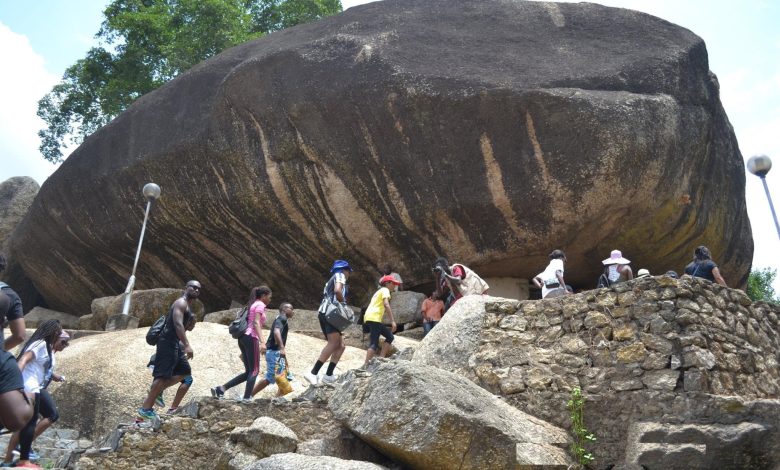
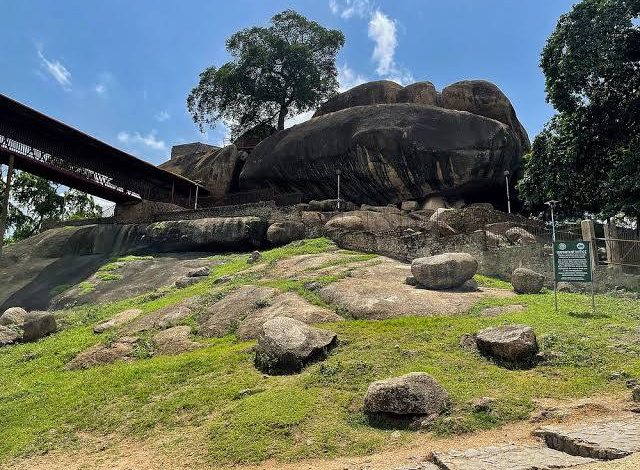

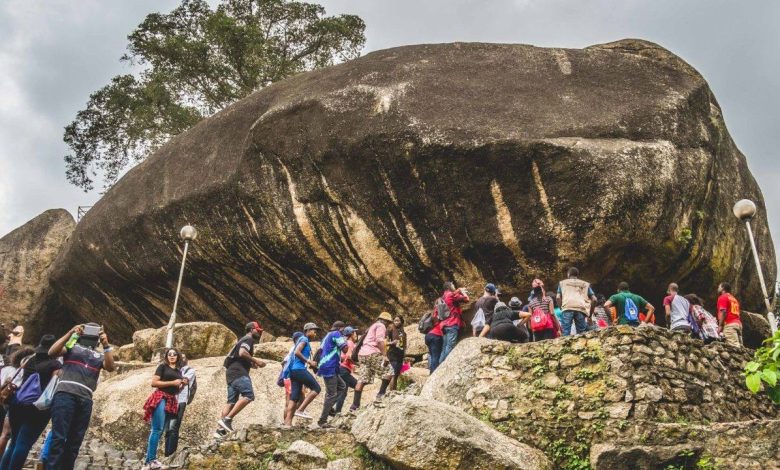
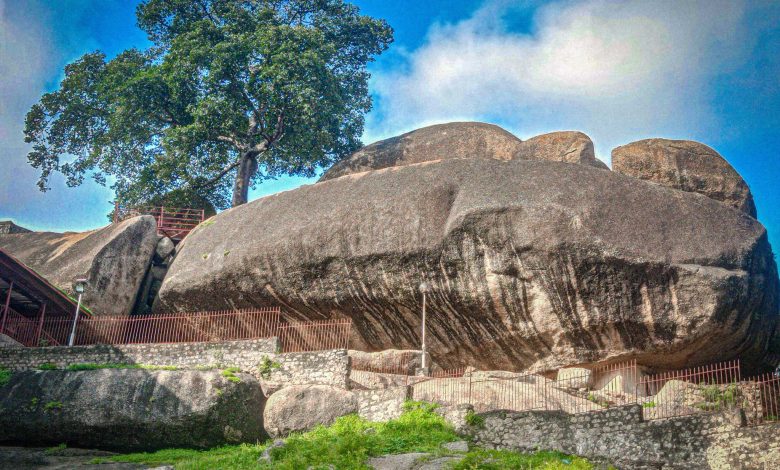
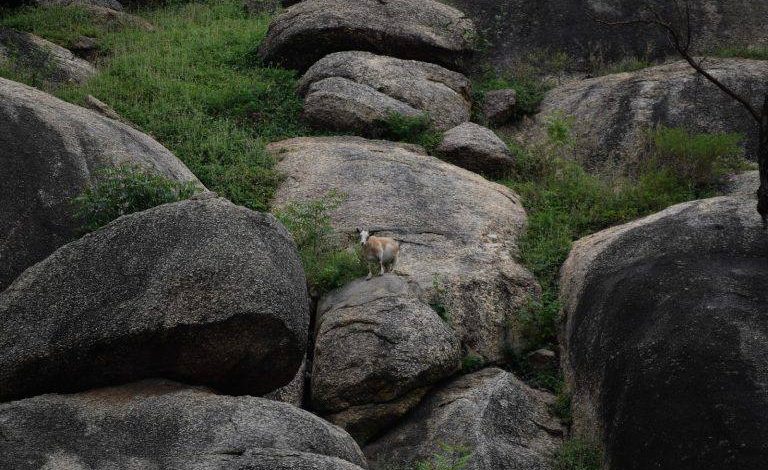
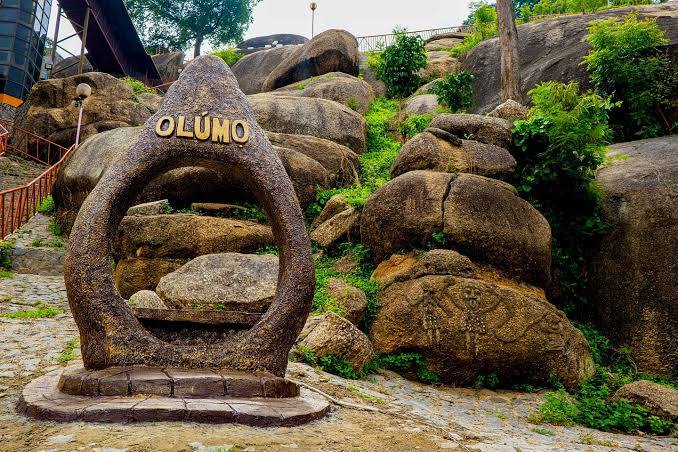
If you’re looking for a spot in Nigeria where history, adventure, and stunning views collide, Olumo Rock in Abeokuta, Ogun State, southwest Nigeria, should be on your list.
Rising 137 meters above the city, this massive granite outcrop isn’t just a tourist attraction. For the Egba people, it’s the fortress that saved a nation.
A Natural Fortress with a Story
In the early 19th century, during the Yoruba wars, the Egba people fled constant attacks from Dahomey and other rival kingdoms.
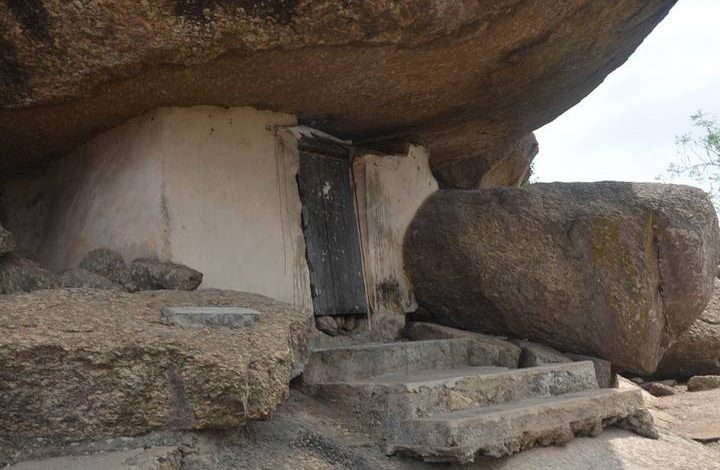
They found refuge in Olumo Rock around 1830. Its caves, narrow passages, and elevated position made it nearly impossible for enemies to breach. From here, they planned defences, stored food, and eventually built the city of Abeokuta, meaning “under the rock.”
The rock served as both shelter and watchtower for over 20 years until the Egba felt secure enough to settle in the plains below. Today, that history is preserved in the caves, shrines, and carvings still visible on the site.
What You’ll See and Do
Visitors climb the rock via a mix of stairways, elevators, and natural rock paths. The climb rewards you with panoramic views of Abeokuta, the Ogun River, and the surrounding landscape. Along the way, you’ll pass:
- Early settlers used ancient shrines and altars for worship and protection.
- The Alake’s palace grounds at the base, linking the rock to traditional Egba leadership.
- Rock paintings and carvings date back to the settlement period.
- The adventure park at the foot of the rock, with zip lines and canopy walks for those who want more thrills.
Why it Matters
Olumo Rock is more than a scenic climb. It’s a symbol of resilience and self-determination for the Egba people, and a reminder of how geography shaped Nigerian history. It’s also one of the country’s best-preserved heritage sites, drawing students, historians, and travellers who want to connect with Nigeria’s pre-colonial past.
Planning your Trip
Olumo Rock is open daily and sits just 90 minutes by road from Lagos. Entry fees are modest, and local guides are available to walk you through the history behind every cave and crevice.
The best time to visit is between November and February, when the weather is cooler and drier.
For a place that blends natural beauty with a story of survival, Olumo Rock delivers. It’s history you can climb.