
Through Her Lens: Fatima Yusuf Captures Nigeria’s Wildlife and the Ecosystems We Rarely See
Nigerian photographer Fatima Yusuf is using powerful wildlife images to reveal Nigeria’s hidden ecosystems, celebrate its natural heritage and inspire greater commitment to conservation.

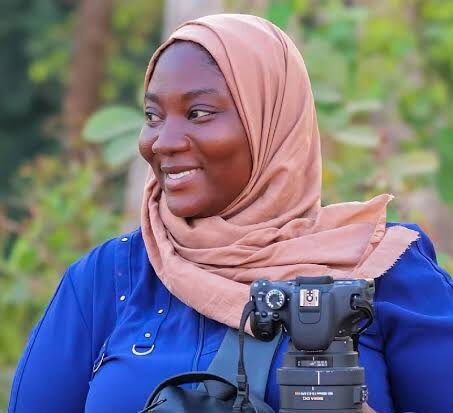
LAGOS, Nigeria: At a time when conversations around environmental protection and the preservation of natural habitats are becoming increasingly important, Nigerian photographer Fatima Yusuf is using her camera to tell a different kind of Nigerian story, one rooted in wildlife, nature and the country’s remarkable ecological diversity.
Yusuf’s photography takes viewers beyond Nigeria’s busy cities and familiar landscapes, offering a glimpse into forests, grasslands and other natural environments where some of the country’s most fascinating wildlife can be found. 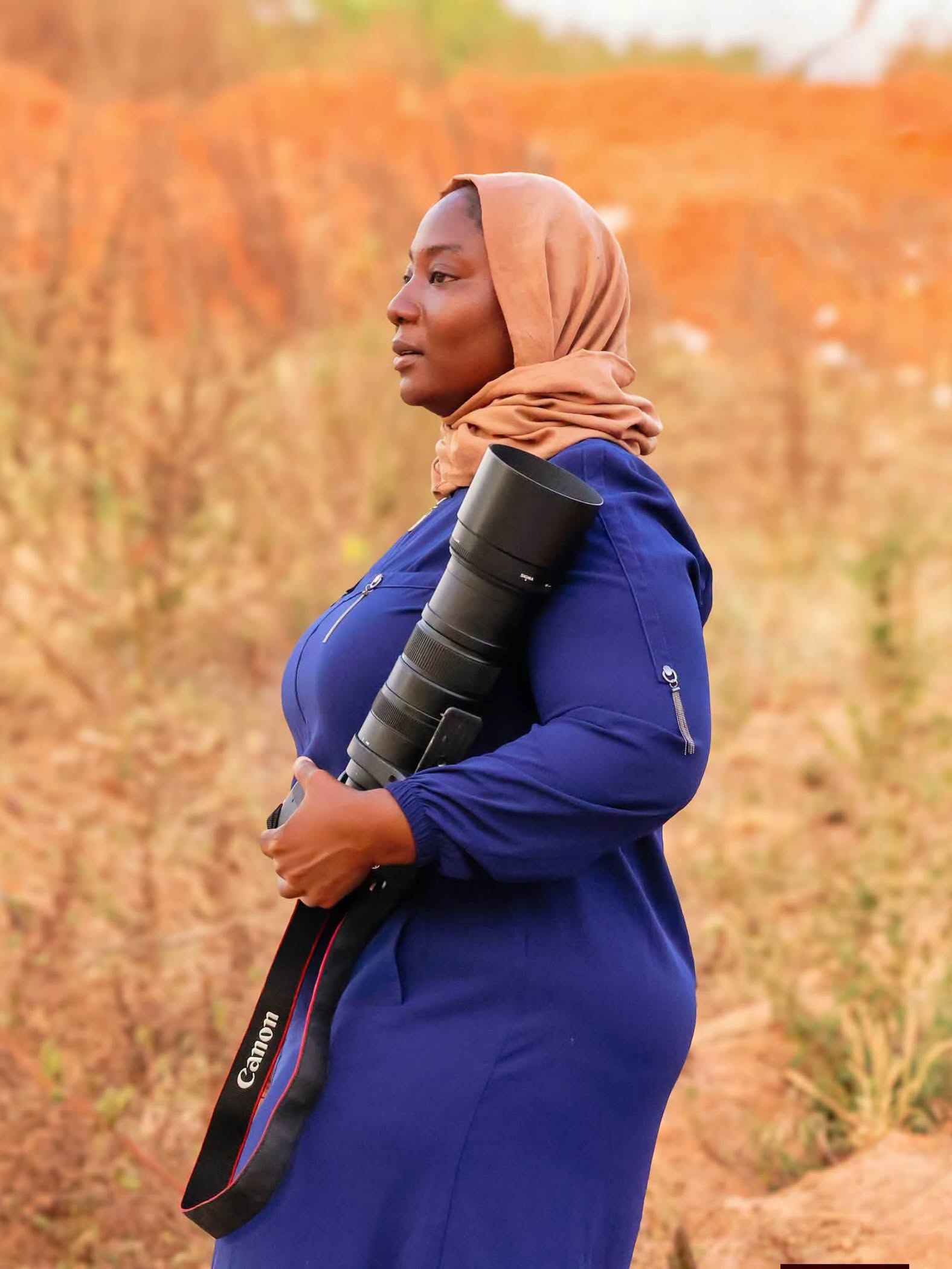
Her images capture animals at different moments in their natural surroundings, from powerful predators to quieter and less celebrated species that rarely receive public attention. Through careful observation and photography, she documents the character, behaviour and beauty of wildlife that many Nigerians may never have the opportunity to encounter in person. 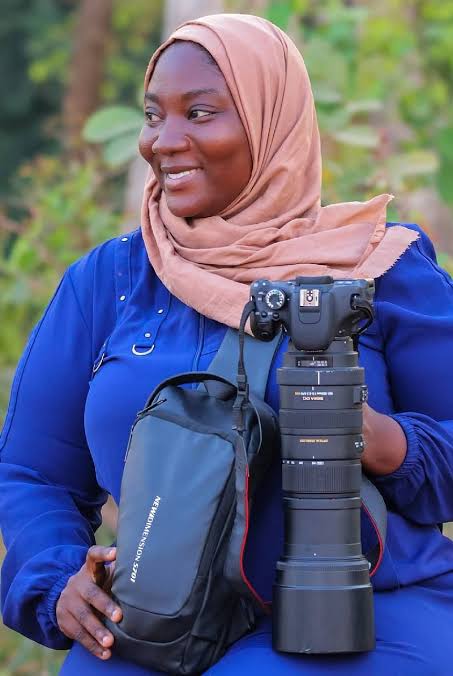
Bringing Nigeria’s hidden ecosystems into focus
Nigeria is home to a wide range of ecosystems, supporting numerous species of mammals, birds, reptiles and other wildlife. Yet much of this natural wealth remains largely unseen by the wider public.
For Yusuf, photography provides an opportunity to change that.
Rather than simply photographing animals as isolated subjects, her work places them within the environments that sustain them. Forests, grasslands and other habitats become an important part of the story, helping viewers understand that wildlife conservation is also about protecting the places where animals live, feed and reproduce.
Her photographs therefore serve as a visual connection between people and the natural world.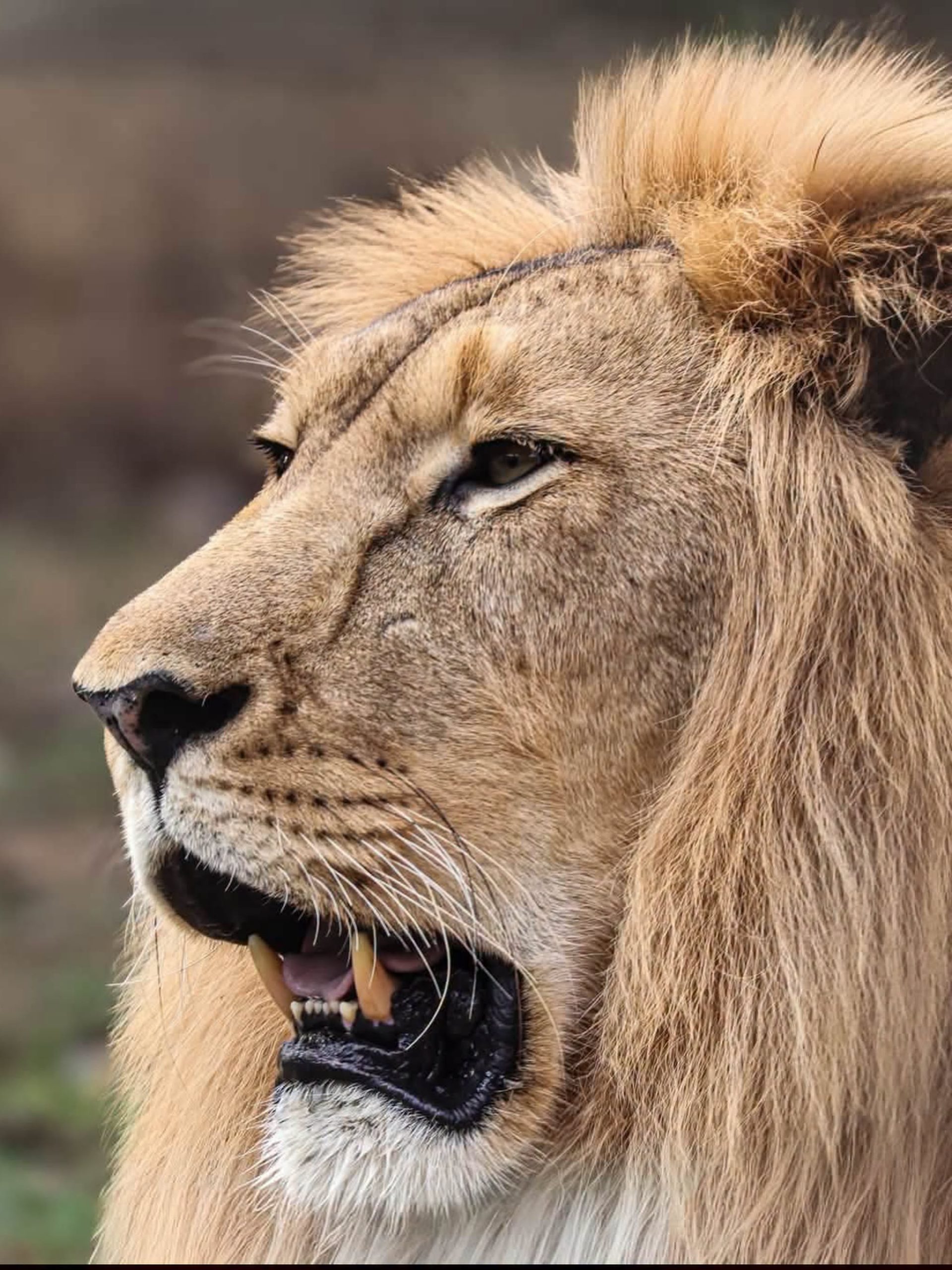
Photography with a conservation message
Wildlife photography can do more than produce beautiful images. It can also help people understand what could be lost if natural habitats are neglected or destroyed.
Yusuf’s work aims to encourage greater interest in conservation by allowing audiences to see Nigeria’s wildlife from a closer perspective.
A striking photograph of an animal in its natural habitat can create curiosity, but it can also raise important questions about the future of that species and the environment around it.
What happens when forests disappear? What happens when grasslands are reduced? What happens to animals when their habitats come under increasing pressure?
These are some of the wider issues that wildlife photography can bring into public consciousness.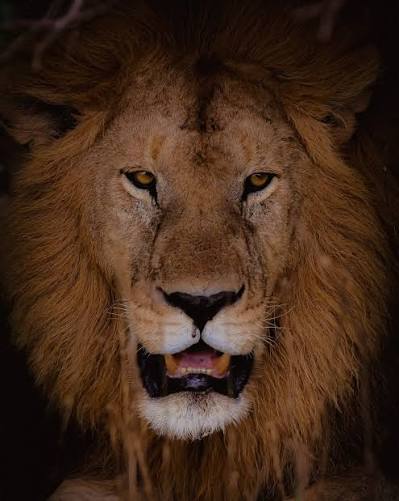
Changing how Nigerians see wildlife
One of the central ideas behind Yusuf’s work is the belief that people are more likely to value something when they can see and appreciate it.
For many Nigerians, wildlife may feel distant, particularly for those living in urban areas. Images that bring animals and their habitats closer to the public can help change that perception.
Instead of seeing wildlife as something that exists somewhere far away, Yusuf’s photography presents it as part of Nigeria’s own heritage.
That perspective is important because conservation is not only about protecting animals. It is also about preserving landscapes, biodiversity and natural resources for future generations.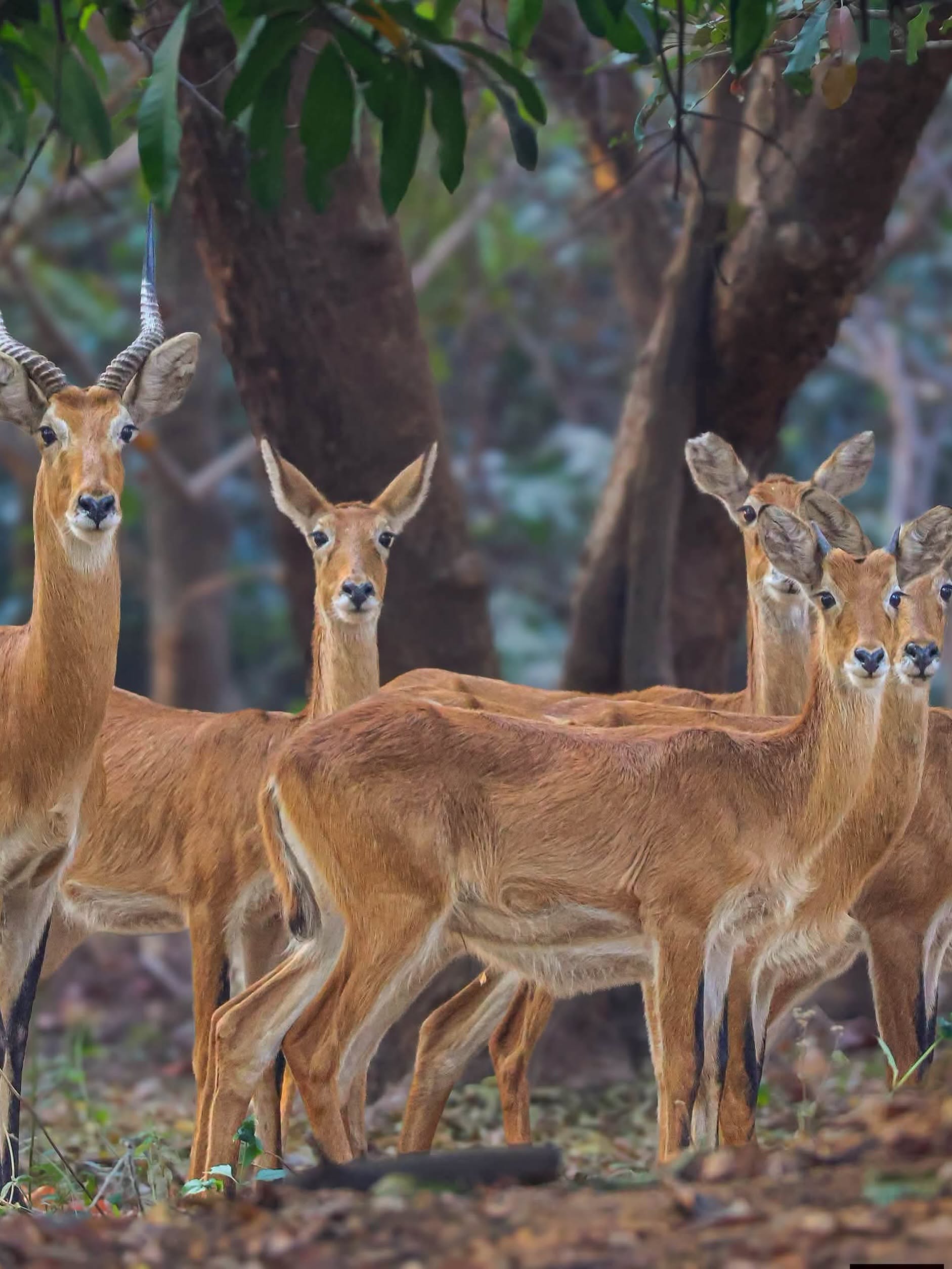
Giving overlooked species a place in the spotlight
While large and powerful animals often attract the most attention, Yusuf’s work also highlights quieter species that can easily be overlooked.
This approach is significant because healthy ecosystems depend on a complex relationship between many different species. Every animal, whether highly visible or rarely seen, forms part of a wider ecological system.
By photographing a variety of wildlife, Yusuf helps broaden the conversation beyond the animals that traditionally dominate wildlife imagery.
Her camera becomes a way of documenting a part of Nigeria that many people may not otherwise see.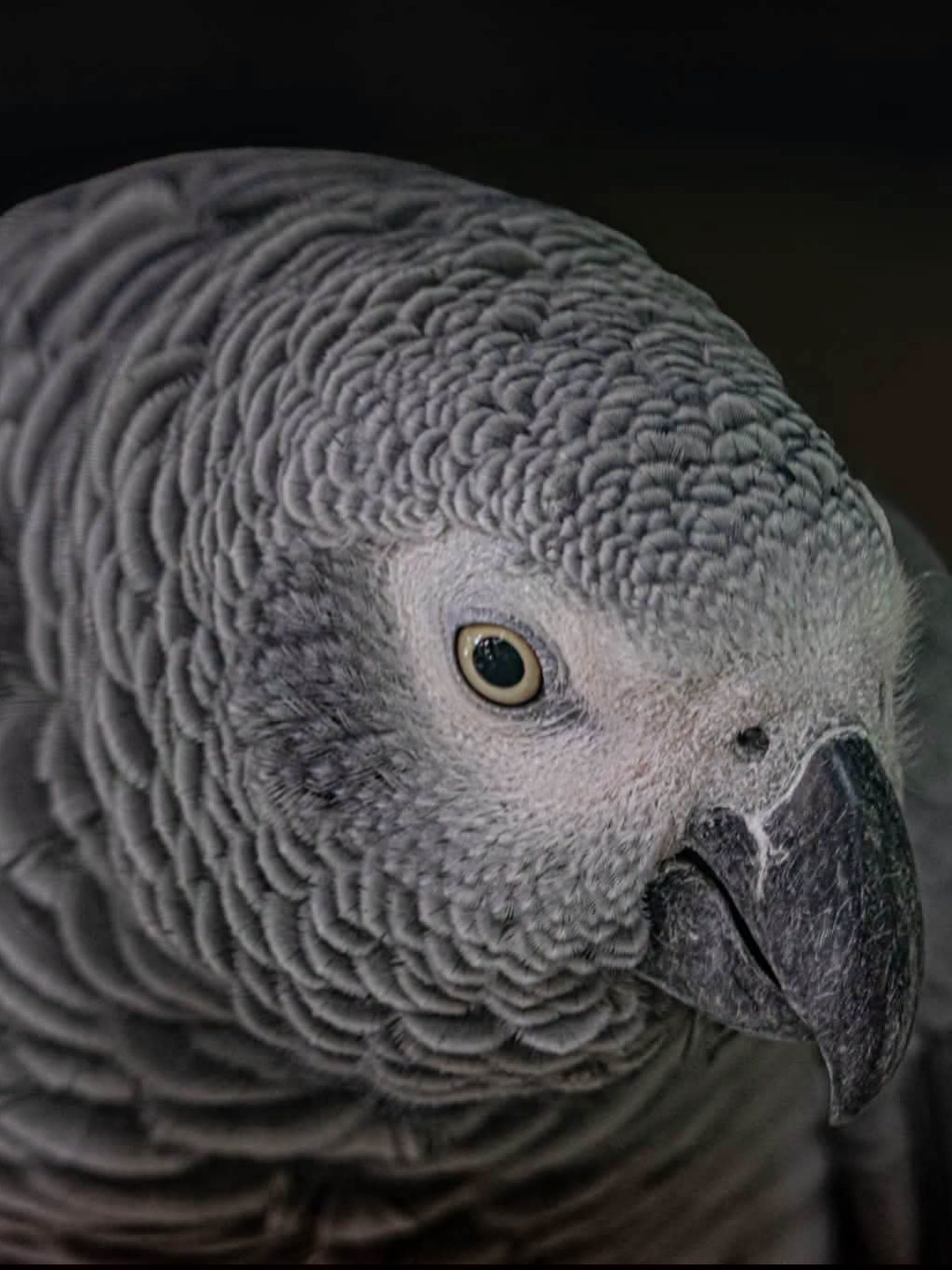
A visual record of Nigeria’s natural heritage
There is also a documentary value to wildlife photography. Images can preserve moments in time and provide future generations with a visual record of the country’s natural environment.
As landscapes change and pressure on habitats increases, photographs of Nigeria’s wildlife can become an important reminder of the biodiversity that exists today.
For Yusuf, every photograph has the potential to tell a story about the relationship between wildlife, habitat and people.
Her work demonstrates how photography can occupy a space between art, journalism and conservation, using compelling visual storytelling to encourage people to look more closely at the natural world around them.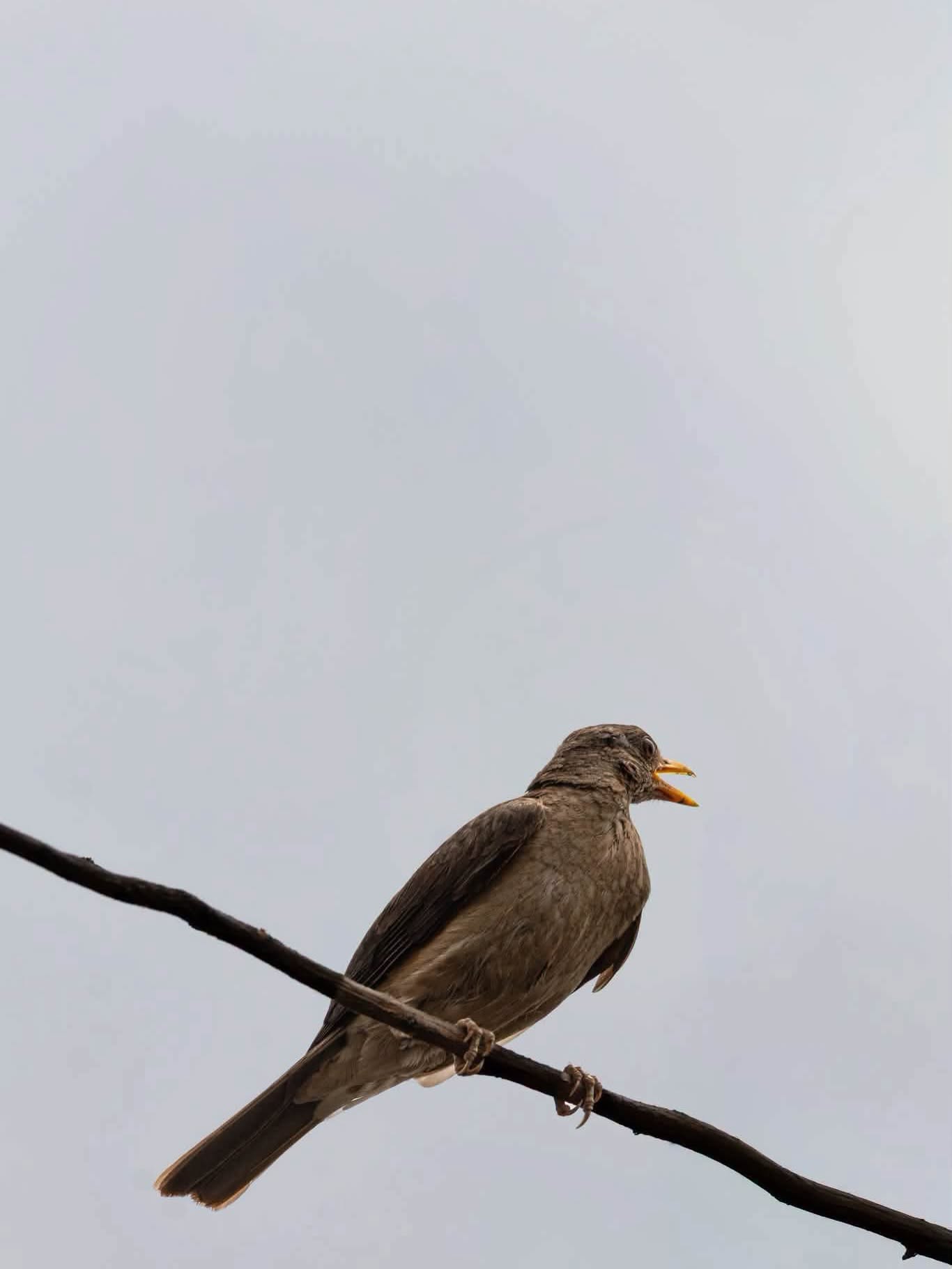
Inspiring a stronger culture of conservation
Ultimately, Yusuf’s wildlife photography is about more than the animals in front of her camera.
It is about encouraging Nigerians to recognise that the country’s natural heritage deserves the same attention and pride given to its history, culture, music and landmarks.
By bringing hidden ecosystems into focus, she is helping audiences discover another side of Nigeria, one filled with wildlife, biodiversity and landscapes that are worth protecting.
Her photographs offer a simple but powerful message: you cannot protect what you do not know, see or value.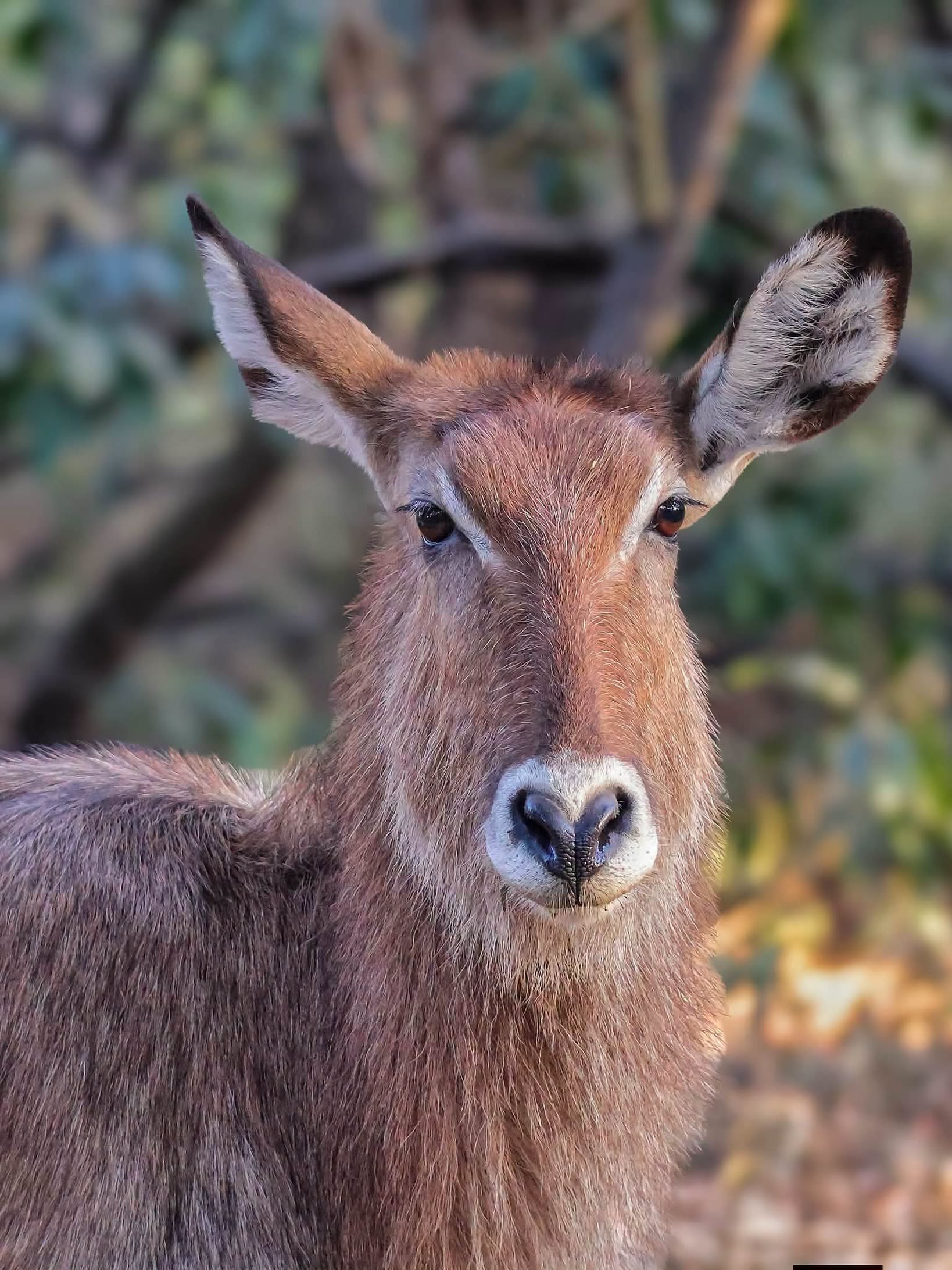
Through her lens, Fatima Yusuf is giving Nigeria’s wildlife a chance to be seen, appreciated and remembered.
📸 Photo credit: Instagram/@mfatimayusuf_