Nigeria Moves From Agreements to Action in France Partnership — Tinubu
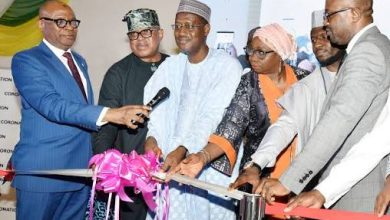
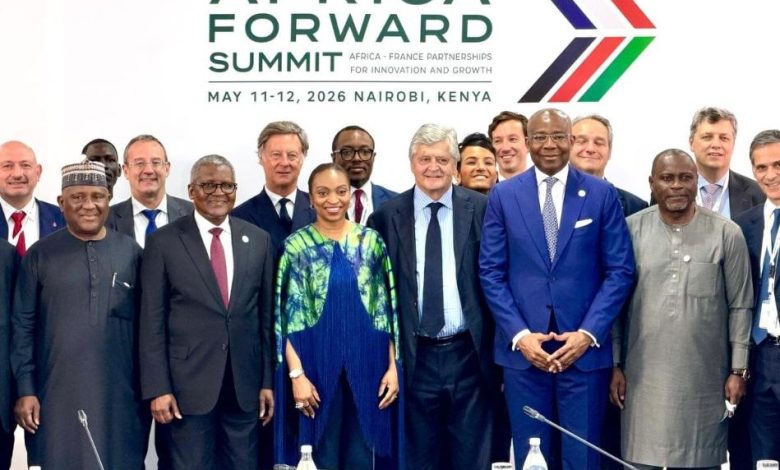
President Bola Ahmed Tinubu has declared that Nigeria’s economic partnership with France is transitioning from planning to implementation, following deliberations at the France–Nigeria Business Council meeting.
Speaking after the session, Tinubu described the engagement as a turning point, noting that discussions between both countries are now focused on delivering measurable outcomes rather than signing new agreements. The meeting brought together top government officials, investors, and corporate leaders seeking to strengthen bilateral trade and investment.
According to the presidency, the council session emphasized practical steps to unlock opportunities across key sectors, including infrastructure, energy, agriculture, and finance.
Tinubu said the relationship between Nigeria and France has matured significantly, with both sides now prioritizing execution of previously outlined strategies. He stressed that the administration is committed to ensuring that reforms and partnerships translate into real economic benefits for Nigerians.
“The partnership has entered its execution phase,” the president stated, underscoring a shift toward implementation and results.
Focus on Investment and Economic Growth
The France–Nigeria Business Council has become a key platform for driving private-sector collaboration between the two countries. Discussions at the latest meeting centered on boosting investor confidence and accelerating ongoing projects.
Government officials highlighted the importance of policy stability and transparency in attracting foreign capital. Tinubu reiterated that his administration’s reforms are designed to create a more predictable business environment, encouraging long-term investments.
Recent engagements with international investors have also reinforced this direction. During meetings in Paris, the president assured stakeholders that economic reforms are being implemented with discipline and consistency to deliver growth and stability.
Strengthening Bilateral Economic Ties
Nigeria and France have continued to deepen cooperation through trade agreements and investment frameworks in recent years. These efforts have targeted sectors critical to economic diversification, including renewable energy, transportation, and food security.
The business council meeting further explored ways to remove barriers to trade and improve collaboration between companies in both countries. Participants expressed optimism about Nigeria’s market potential, particularly given its large population and ongoing economic reforms.
Tinubu emphasized that partnerships of this nature are essential to achieving the country’s long-term economic ambitions, including expanding GDP and creating jobs.
Outlook: From Dialogue to Delivery
With the partnership now entering what officials describe as an execution phase, attention is expected to shift toward project delivery and measurable outcomes. Analysts say this stage will test the effectiveness of policies and the ability of both governments and private investors to follow through on commitments.
For Nigeria, the focus remains on converting international interest into tangible development gains. The administration has signaled that future engagements will be judged by their impact on infrastructure, employment, and overall economic growth.
As Tinubu noted, the next phase is not about new promises—but about delivering results.