
Nigeria at 66: Remembering Independence and the Journey Since 1960
From the raising of the Nigerian flag in 1960 to six decades of democracy, challenges and transformation, Nigeria reflects on its journey as a sovereign nation.

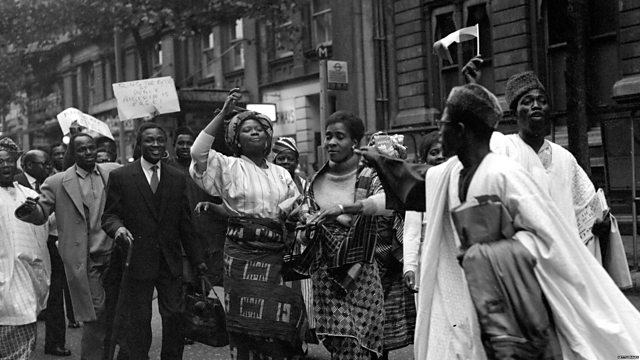
LAGOS, NIGERIA: Nigeria marks its 66th Independence Anniversary today, October 1, commemorating the country’s emergence as an independent nation from British colonial rule in 1960.
Nigeria became independent on October 1, 1960, with Sir Abubakar Tafawa Balewa becoming the country’s first Prime Minister. The independence ceremony in Lagos marked the beginning of a new chapter for Africa’s most populous nation.
In his independence address, Balewa spoke about the responsibilities that came with self-government and the need for Nigerians to work together despite the country’s ethnic, religious and regional diversity.
The Union Jack was lowered, and the Nigerian green-and-white flag was raised, symbolising the transfer of sovereignty and the birth of an independent Nigeria.
From independence to nationhood
The years following independence brought both progress and profound challenges. Nigeria became a republic in 1963, but political instability eventually led to military rule following the first military coup in January 1966.
The country later experienced the devastating Nigerian Civil War, which lasted from 1967 to 1970.
Nigeria subsequently went through several periods of military government and civilian rule before returning to sustained democratic governance in 1999.
Since then, the country has continued to hold regular democratic elections while confronting major economic, security and social challenges.
A nation still writing its story
More than six decades after independence, Nigeria remains a major political, economic and cultural force in Africa. Its influence can be seen across music, film, fashion, literature, technology, business and sport, with Nigerians making significant contributions both at home and around the world.
For millions of Nigerians, Independence Day is therefore both a celebration of the country’s history and an opportunity to reflect on the kind of nation future generations will inherit.
From the raising of the Nigerian flag in Lagos in 1960 to the millions of Nigerians living and working across the globe today, the story of Nigeria remains one of ambition, resilience, challenges and continuing change.
Happy Independence Day, Nigeria. 🇳🇬
October 1, 1960 – October 1, 2026