The Central Bank of Nigeria (CBN) says it is working towards a bold target of attracting $1 billion in diaspora remittances every month by the end of 2026.
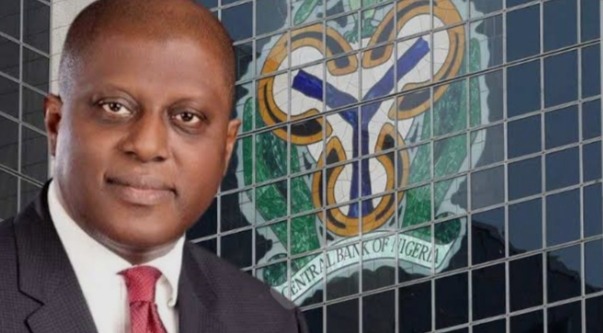
Governor Olayemi Cardoso revealed the plan in Abuja during the first edition of the 2026 Monetary Policy Forum held on Thursday.
Speaking on reforms in the foreign exchange market, Cardoso explained that the CBN’s transformation programme began with a sweeping overhaul of Nigeria’s FX system. According to him, the bank cleared more than $7 billion in verified foreign exchange backlogs and introduced a rule-based willing-buyer willing-seller framework.
He added that stricter reporting standards, improved market surveillance and reforms to interbank trading have helped restore transparency and credibility in the FX market.
Cardoso said the reforms have also prepared the ground for a gradual shift toward inflation targeting, which will strengthen the Central Bank’s core mandate of maintaining price stability.
Highlighting the impact of the reforms, the CBN Governor noted that diaspora remittances have become one of Nigeria’s most reliable sources of foreign exchange — in some cases even outperforming oil revenues during periods of market volatility.
He disclosed that monthly remittances through official channels have surged from about $200 million to around $600 million since the reforms began. The Central Bank now hopes to push that figure to $1 billion per month by the end of 2026, describing the growth as a structural transformation rather than temporary improvement.
Cardoso also pointed to stronger FX liquidity as another benefit of the reforms. According to him, improved settlement systems and tighter regulatory controls helped narrow the gap between official and parallel market rates to less than 2 percent, while also restoring confidence among international correspondent banks.
Nigeria’s external reserves have also seen significant improvement. The CBN Governor revealed that the country’s gross reserves rose from $38.34 billion in February 2025 to $50.12 billion in February 2026 — a 30.73 percent year-on-year increase and the highest level recorded in more than a decade.
He added that the gains were supported by improved reserve-management strategies, including the addition of London Bullion Market Association-certified gold to national reserves and reforms to the country’s external asset-management system. The introduction of a second global custodian was also designed to strengthen risk diversification.
Cardoso said the reforms have begun to attract international recognition. In 2025, global rating agencies Fitch Ratings and Moody’s upgraded Nigeria’s sovereign credit rating.
He also highlighted Nigeria’s exit from the Financial Action Task Force (FATF) Grey List in October 2025, describing it as a major boost for the country’s reputation and banking relationships abroad.
Meanwhile, the CBN’s Deputy Governor for Economic Policy, Mohammed Abdullahi, stressed that maintaining the momentum of reforms would require stronger collaboration between policymakers and other stakeholders in the economy.
He explained that the 2026 Monetary Policy Forum was convened under the theme “Strengthening Nigeria’s Macroeconomic Stability through Effective Monetary Policy: The Role of Critical Stakeholders.”
According to him, the theme reflects a key principle — that maintaining economic stability is not solely the responsibility of the central bank but requires cooperation from businesses, financial institutions and other economic players.