
Finance ministers and central bank governors from the Group of Seven have begun high-level discussions aimed at addressing growing imbalances in the global economy, as trade tensions and geopolitical divisions continue to challenge unity among the world’s leading economies.
The meeting, held in Paris, comes at a time when disparities in trade balances between major economies are widening, raising concerns about long-term financial stability. Officials are particularly focused on persistent surpluses and deficits that are increasingly fueling economic friction across regions.
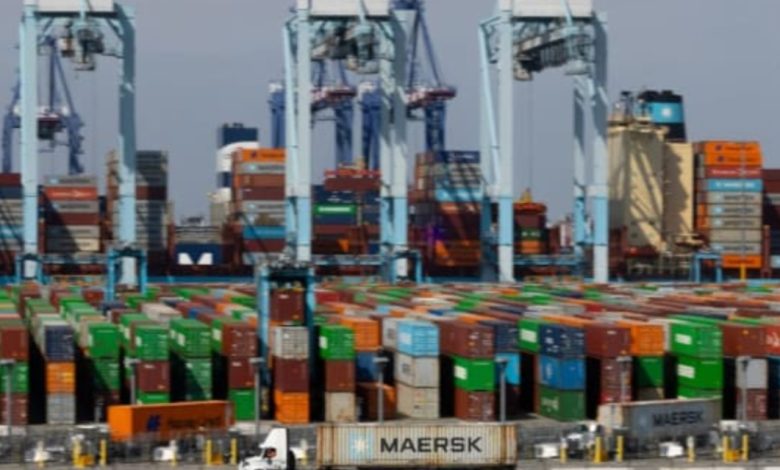
A key issue dominating discussions is the strain caused by global trade disputes, especially involving major players like the United States, European Union, and China. These tensions have made it more difficult for the G7 to present a unified strategy on economic policy and global market coordination.
Another major priority for the group is securing supply chains, particularly for critical minerals and essential resources. Member countries are exploring ways to reduce dependence on dominant suppliers and strengthen cooperation through joint investments and diversified sourcing strategies.
Officials are also considering coordinated measures to better monitor financial markets and prevent sudden disruptions. Proposals under discussion include shared economic frameworks, strategic investments, and collaborative approaches to stabilizing key sectors.
However, internal divisions remain a significant hurdle. Differences in national interests, policy approaches, and economic priorities continue to limit consensus on how best to tackle these global challenges.
The outcome of the meeting is expected to play a crucial role in shaping international economic policy in the coming months, especially as countries navigate a complex landscape marked by trade frictions, supply chain vulnerabilities, and shifting geopolitical alliances.
As global uncertainties persist, the G7’s ability to maintain unity and implement effective solutions will be closely watched by markets and policymakers worldwide.