
Iran War Hits Americans Hard As Inflation Soars
American consumers are feeling the heat from the escalating Iran conflict after U.S. inflation surged to its highest level in nearly three years, driven by soaring fuel and food prices.
Fresh figures released on Tuesday showed that inflation in the United States climbed sharply to 3.8 percent in April, marking the fastest pace of price increases since May 2023 as the economic fallout from tensions in the Middle East deepened.
According to data from the U.S. Bureau of Labor Statistics, rising gasoline prices, higher grocery costs and increased housing expenses were the biggest factors behind the jump from March’s 3.3 percent inflation rate.
The latest figure is the highest recorded since inflation touched 4 percent three years ago.
The worsening conflict involving Iran and Israel, alongside the effective shutdown of the crucial Strait of Hormuz shipping route, has sent global oil prices climbing and pushed fuel costs higher across the United States.
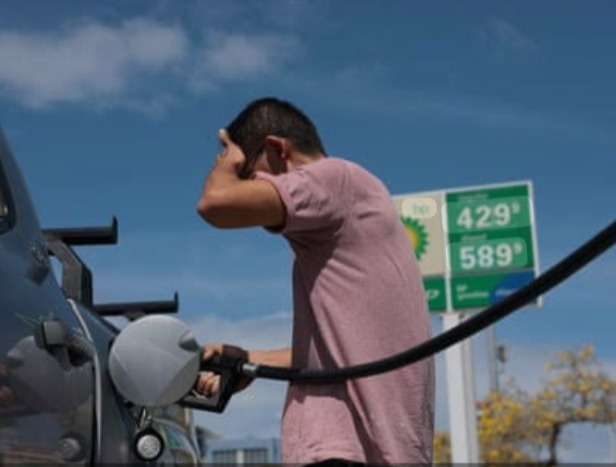
Data from the AAA motoring group showed that the national average price for a gallon of unleaded gasoline has now climbed to $4.50, its highest level since July 2022.
Economists say the latest inflation spike has significantly reduced the chances of the U.S. Federal Reserve cutting interest rates this year.
Isaac Stell, investment manager at Wealth Club, said the new figures may even force policymakers to consider raising rates again.
“The possibility of interest rate hikes is firmly back on the table,” he warned.
The development comes just days before Kevin Warsh, President Donald Trump’s nominee, is expected to replace Jerome Powell as chair of the Federal Reserve.
Stell said Warsh could take office with “very little room for manoeuvre” and may be forced into a more cautious approach despite pressure from Trump to slash borrowing costs.
Trump repeatedly clashed with Powell over the central bank’s refusal to aggressively cut interest rates, insisting lower rates were necessary to boost economic growth.
The inflation surge is also expected to create political headaches for Trump and the Republican Party ahead of November’s midterm elections, especially after Trump campaigned heavily on promises to lower the cost of living during his 2024 re-election bid.
Danni Hewson, head of financial analysis at AJ Bell, said rising fuel prices remain a sensitive issue for American voters.
“Americans are extremely sensitive to gasoline prices, and many voted for Trump because they believed he would reduce costs,” she said.
She added that increasing grocery prices could become a major political problem for Republicans as the election season approaches.
Beyond fuel and groceries, airfare and clothing prices also rose sharply in April, while the cost of new vehicles dipped slightly.
The closure of the Strait of Hormuz has also triggered a sharp rise in jet fuel prices, forcing U.S. airlines to pass increased costs directly to passengers.
Official figures showed average airfare jumped by 20.7 percent in April alone.
For the first time in three years, wage growth in the United States also fell behind inflation, with average paychecks increasing by 3.6 percent compared to inflation’s 3.8 percent rise.
Wall Street reacted negatively to the report, with the S&P 500 falling 0.6 percent shortly after markets opened, while the Dow Jones Industrial Average dropped 0.7 percent.