
UK Clocks to Go Back on October 25 as Darker Evenings Return
Britons face shorter days and darker evenings as the country prepares to return to GMT

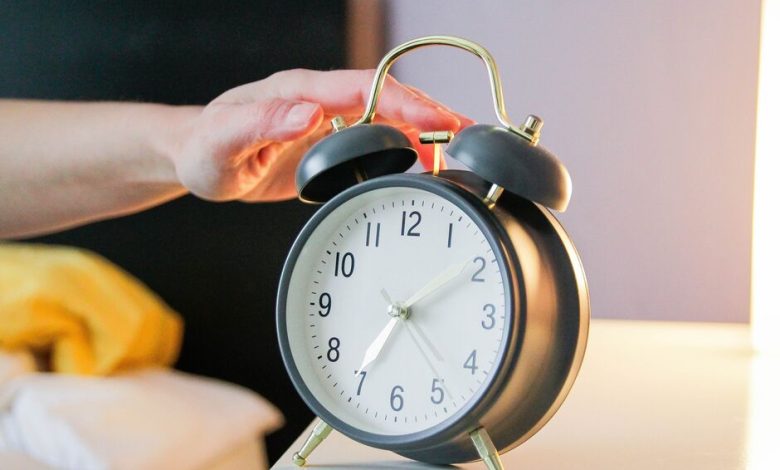
London, UK: People across the United Kingdom are preparing for the annual clock change, with clocks set to go back by one hour on Sunday, October 25, 2026, marking the end of British Summer Time (BST).
The change means the UK will return to Greenwich Mean Time (GMT) as the country moves further into autumn and towards the winter months.
According to the UK Government’s official timetable, the clocks will go back at 2 am on October 25, when the time will revert to 1 am. The change gives people an additional hour overnight, but it also means that evenings will become darker earlier.
The clocks are changed twice a year in the UK. They move forward by one hour on the last Sunday in March and move back by one hour on the last Sunday in October. In 2026, the clocks went forward on March 29 and will go back on October 25.
Darker evenings ahead
The return to GMT comes at a time when daylight hours are already becoming shorter.
As autumn progresses, sunset occurs earlier each day, meaning many people will soon be leaving work, school or other activities as darkness begins to set in.
By late autumn and winter, sunset can occur around or before 5 pm in many parts of the UK, depending on the location and date.
However, the earlier sunsets are not caused by the clock change itself. They are largely the result of the Earth’s seasonal cycle. Moving the clocks back simply changes the time shown on the clock, making sunrise and sunset appear one hour earlier on the clock.
The change will also mean brighter mornings compared with the weeks immediately before the clocks go back.
An extra hour in bed
One of the more popular aspects of the autumn clock change is the extra hour of sleep.
When the clocks reach 2 am on October 25, they will be moved back to 1 am, effectively giving people an additional hour overnight.
Electronic devices such as smartphones, tablets and computers connected to the internet will generally update automatically. However, people may still need to manually change clocks on appliances, cars, watches and other devices.
Winter approaching
The clock change is also seen as a clear reminder that winter is approaching.
The UK’s winter months bring significantly shorter daylight hours compared with the summer. The shortest day of the year, around the December winter solstice, will see the UK experience its lowest amount of daylight.
For people who enjoy the UK’s long summer evenings, the transition can be particularly noticeable.
During summer, parts of the UK can remain bright well into the evening. By winter, however, darkness arrives much earlier, making the difference between the two seasons particularly striking.
Summer lovers face a long wait.
For those who prefer warm weather and long daylight hours, the return of darker evenings is unlikely to be welcome news.
Many people who enjoy spending time outdoors, taking evening walks, travelling or simply sitting outside after work will soon have considerably less daylight to enjoy.
The situation will eventually reverse when British Summer Time returns in 2027.
According to the Government’s official schedule, the clocks will move forward again on Sunday, March 28, 2027, restoring the extra evening daylight associated with British Summer Time.
For now, however, the message is clear: shorter days, darker evenings and colder weather are on the way.
And for the many Nigerians and other people living in the UK who are accustomed to warmer climates and relatively consistent daylight throughout the year, the approaching British winter may require some serious preparation.
The countdown to summer 2027 has officially begun for the UK’s summer lovers.