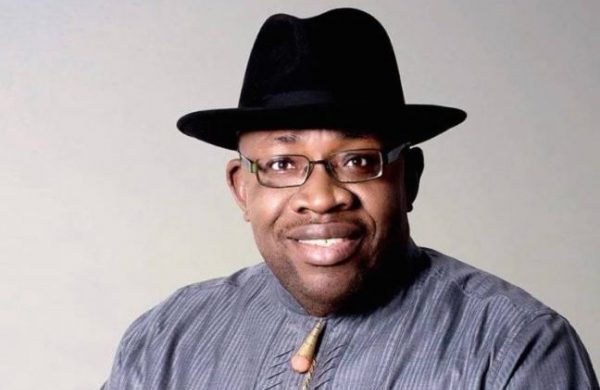
Seriake Dickson, a senator representing Bayelsa West and former governor of Bayelsa State, isn’t convinced Nigeria is ready for full-on digital voting just yet. He believes the country shouldn’t rush into sharing election results live online. Instead, he suggests taking a closer look at the real benefits of these tech changes, considering where Nigeria currently stands.
Speaking with ARISE News on Tuesday, Dickson clarified that Nigeria isn’t using a completely digital voting system where votes are instantly tallied and displayed online. He thinks the phrase real time is unnecessary and doesn’t guarantee more openness.
Dickson addressed issues raised during the Senate’s recent meeting regarding amendments to the electoral law, specifically Section 60(3). This section was revisited due to public reaction. Senators agreed to send election results electronically to INEC’s IREV system while keeping the traditional paper counting method as a backup in case of internet problems.
Despite some arguing that it could lead to manipulation, Dickson doesn’t believe that rejecting mandatory live sharing is a setback for democracy.
The discussion around electronic transmission has been ongoing for nearly two years, involving dialogue with INEC. Losing past sessions weighed on him, as he was absent due to bereavement when these talks initially started.
During the 9th Senate session
Those in power initially resisted incorporating technology. This opposition came primarily from current officeholders. Initially, both legislative houses agreed on electronic transmission, but this consensus later shifted.
Dickson emphasised that the EC8A form remains the most important document for confirming election outcomes. While other records exist, the information on this form takes precedence.
“Once votes are counted, signed, and uploaded to IREV, that is good enough,” he stated.
Despite concerns about manual sorting, there was a quiet acceptance of this compromise, where digital transmission remains a requirement.
Dickson feels that gradually introducing changes to the voting process is the right approach. While the update isn’t radical, he sees it as a positive step forward.